

Pitrupaksha is the sacred fortnight in Hindu dharma when we perform shraddh (ritual offerings), tarpan (water oblations) and daan (charity) for the peace of our ancestors’ souls. This period runs from the full moon of Bhadrapada month to the new moon of Ashwin month, offering every follower of Sanatan Dharma an opportunity to express gratitude toward their forefathers.
The Significance of Pitrupaksha
Our scriptures count pitru rin (ancestral debt) among the three principal debts we carry. Just as we are indebted to the deities and the rishis, we also owe a debt to our ancestors. The shraddh performed during Pitrupaksha is the means to be freed from this debt.
It is believed that during Pitrupaksha, the souls of our ancestors descend to earth and expect reverence from their descendants. When a person performs shraddh at this time, the ancestors become pleased and bless that person and their family.
Dates and Calculation of Pitrupaksha
Pitrupaksha lasts sixteen days. It begins on the Bhadrapada full moon, also called Purnima Shraddh, and ends on the new moon of Ashwin month. The new moon day is called Sarvapitru Amavasya or Mahalaya Amavasya.
According to tradition, each person should perform shraddh for their ancestors on the same tithi (lunar day) on which they passed away. If someone’s death date is not known, shraddh for all ancestors can be performed together on Sarvapitru Amavasya.
The Method of Shraddh
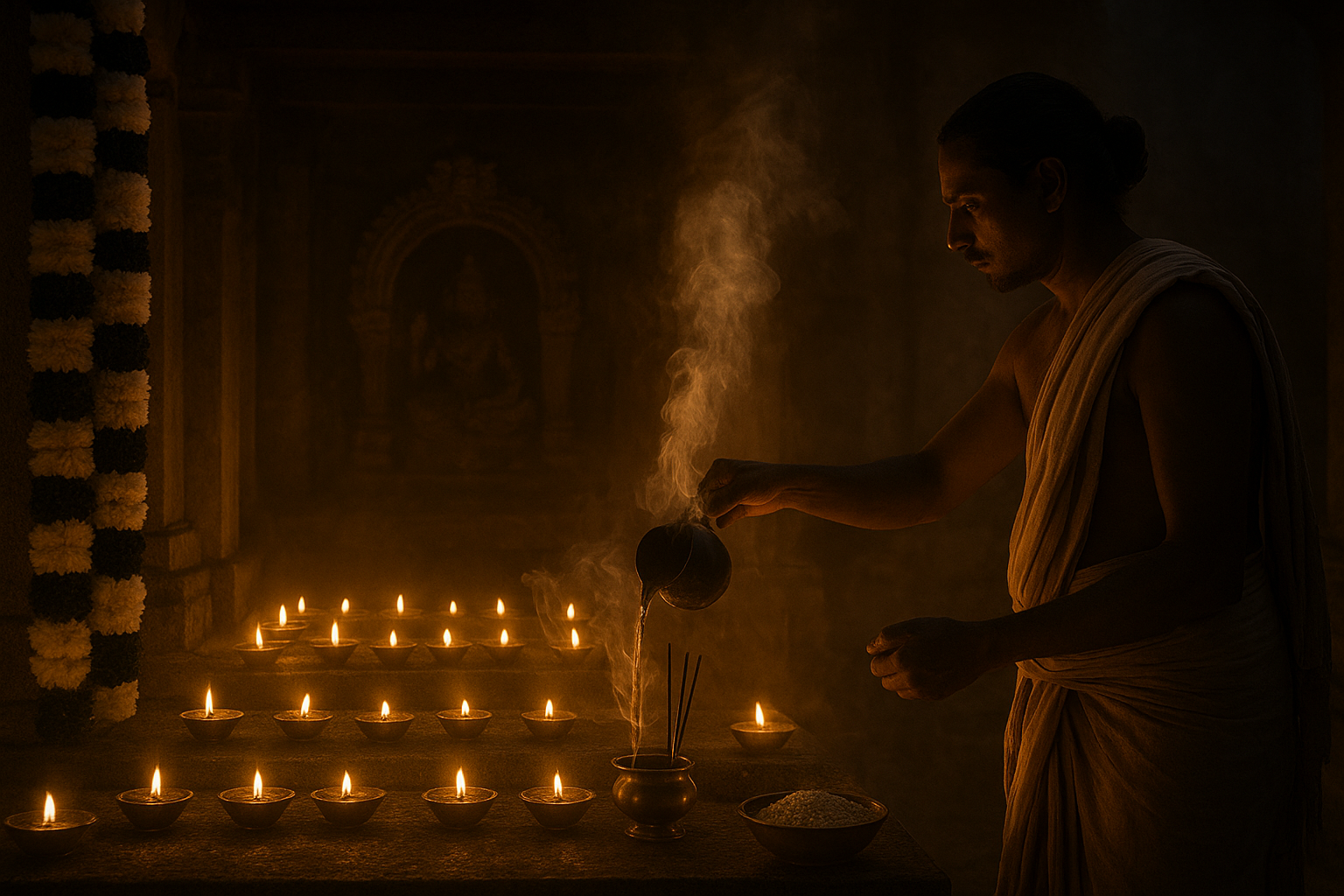
There is a simple and clear method for performing shraddh during Pitrupaksha. Bathe in the morning and wear clean clothes. Purify the home and light a lamp at the place of worship.
Invoke the ancestors and perform tarpan with water, sesame seeds and kusha grass. Prepare food—especially kheer (sweet rice pudding), puri and seasonal vegetables. First offer this food to the ancestors, then feed cows, dogs, crows and ants as well.
Feeding a Brahmin holds special importance. If possible, serve food to a Brahmin and offer dakshina (a monetary gift). Donating food and clothes to the poor and needy is also considered highly meritorious.
Dos and Don’ts During Pitrupaksha
Certain rules are considered essential to follow during Pitrupaksha. During this period, buying new clothes, performing auspicious activities, or conducting ceremonies like weddings or housewarmings are avoided. This time is entirely dedicated to remembering the ancestors and praying for their souls’ peace.
Stay away from non-vegetarian food, alcohol and tamasic (heavy, impure) foods. Avoid anger, falsehood and disputes with anyone. Live as sattvic (pure) a life as possible and maintain purity of mind.
During Pitrupaksha, the tulsi plant is not watered and tulsi leaves are not plucked. Instead of regular auspicious worship, only the worship of ancestors is performed at home.
The Importance of Tarpan
Tarpan is the most important ritual of Pitrupaksha. Tarpan means to satisfy or fulfill. Tarpan performed with water, sesame seeds and kusha grass brings contentment to the ancestors.
Tarpan can be performed at a river, pond or at home. Stand facing the south direction, mix sesame seeds in water, and offer the water in cupped palms while taking the ancestors’ names. During this, recite mantras or remember the ancestors.
Maintaining an attitude of reverence and devotion during tarpan is most essential. Simply going through the motions without feeling does not please the ancestors.
The Relationship Between Pitrupaksha and Charity
Charity holds special significance during Pitrupaksha. Donating food grains, clothes, cows and dakshina is considered highly meritorious. Charity done in the names of ancestors reaches them directly.
Donating black sesame seeds, rice, lentils and jaggery is particularly beneficial. Feeding a poor and hungry person is the greatest charity. Some families also arrange meals at orphanages or old-age homes during Pitrupaksha.
Pitru Dosha and Its Resolution Through Pitrupaksha
When shraddh is not performed for ancestors or they are neglected, pitru dosha (ancestral affliction) can form in one’s birth chart. This can bring family discord, obstacles in progeny happiness and financial problems.
Performing shraddh and tarpan with devotion during Pitrupaksha pacifies pitru dosha. Regularly remembering ancestors and following their ideals is also a path to freedom from pitru dosha.
If for some reason shraddh cannot be performed during Pitrupaksha, it can also be done on Pratipada, Ashtami, Navami, Chaturdashi or Amavasya.
Gaya Shraddh and the Significance of Pilgrimage Sites
Gaya in Bihar is considered the foremost pilgrimage site for shraddh. It is believed that shraddh performed in Gaya grants direct moksha (liberation) to the ancestors. During Pitrupaksha, thousands of devotees travel to Gaya.
Besides this, Prayagraj, Kashi, Haridwar, Nashik and Rameshwaram also hold special significance during Pitrupaksha. Performing tarpan and pind daan (offering rice balls) at these pilgrimage sites is considered highly fruitful.
If pilgrimage travel is not possible, performing shraddh at home with full reverence is equally meritorious.
The Importance of Feeling in Pitrupaksha
Pitrupaksha is not merely about following rituals. This is a time to remember our ancestors and express gratitude toward them. Our forefathers gave us life, gave us values and provided guidance.
Have sincere reverence in your heart when performing shraddh. Seek forgiveness from ancestors if any mistake was made. Resolve to embody their ideals in your life. Carry forward their good deeds.
When we remember our ancestors with reverence and love, they become pleased and bless us, bringing happiness and prosperity into life.
Frequently Asked Questions
When does Pitrupaksha begin and end?
Pitrupaksha begins on the full moon of Bhadrapada month and continues until the new moon of Ashwin month. This is a sixteen-day period that comes every year.
Can we buy new clothes during Pitrupaksha?
According to tradition, buying new clothes or performing any auspicious activity is avoided during Pitrupaksha. This time remains dedicated only to the ancestors.
If the death date is not remembered, when should shraddh be performed?
If the death date of ancestors is not remembered, shraddh for all ancestors can be performed together on Sarvapitru Amavasya. This day is considered special for all ancestors.
Can shraddh be performed at home or is going to a pilgrimage site necessary?
Shraddh performed at home with full reverence is also completely fruitful. Pilgrimage travel is meritorious but not mandatory. Reverence and feeling are most important.
Which charity is best during Pitrupaksha?
Food grain donation is considered supreme during Pitrupaksha. Besides this, donating black sesame seeds, clothes, cows and dakshina to Brahmins is also highly meritorious.
Experience Divine Darshan with Durlabh Darshan
If you are unable to undertake pilgrimage travel during Pitrupaksha, you can still have darshan of sacred temples from home. The Durlabh Darshan app offers you the experience of divine darshan of rare temples and pilgrimage sites through AR/VR technology. Along with shraddh worship, you can also have virtual pilgrimage darshan and pray for the peace of your ancestors’ souls. To download the app, visit Durlabh Darshan Store and experience this new journey of devotion.
For More Information Visit :
Follow our social media handles for more such content