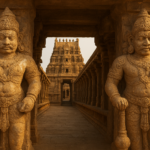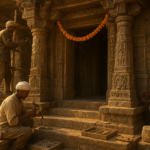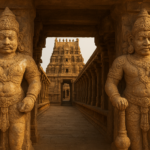


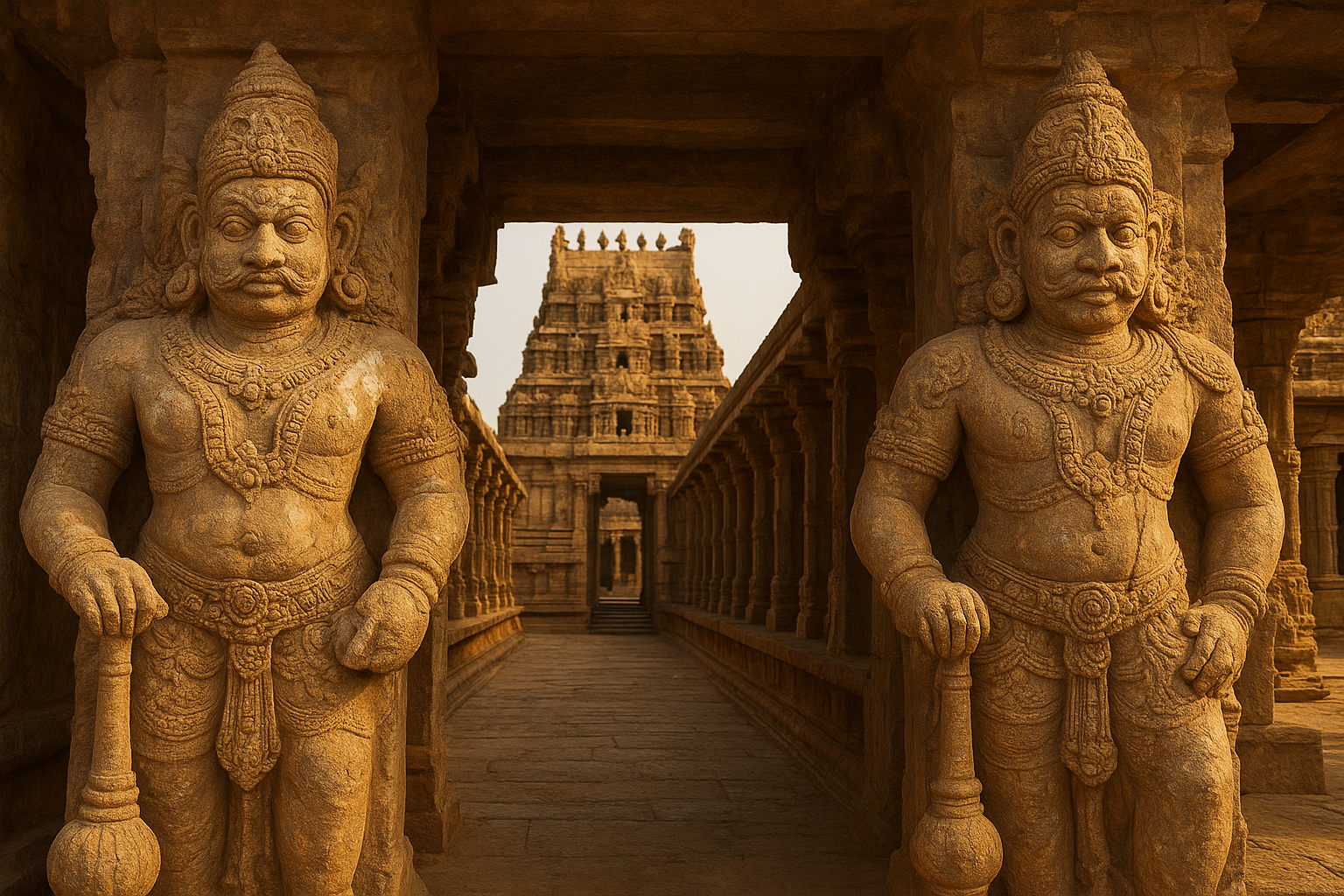
In response to the current condition of the Thousand Pillar Temple, the Archaeological Survey of India (ASI) has initiated repair work on the dwarapala (guardian deity) sculptures at this historic site. This conservation project aims to preserve the temple’s historic architecture and sculpture. Located in Warangal, Telangana, this temple stands as an exceptional example of Kakatiya dynasty architectural art.
Significance of the Thousand Pillar Temple
The Thousand Pillar Temple, also known as Sahasra Stambha Mandir, was built during the reign of the Kakatiya dynasty. This temple is dedicated to Lord Shiva, Lord Vishnu and Surya Bhagwan (the Sun God). The temple’s distinctive feature is its magnificent pillars that showcase outstanding craftsmanship.
Every sculpture and pillar in the temple complex reflects the excellence of Indian artistry. The carving on each pillar is itself a work of art. This temple holds not only religious significance but is also an important part of Indian history and culture.
Religious and Cultural Significance of Dwarapala Sculptures
Dwarapala are guardian deities positioned at temple entrances. According to tradition, they protect the sacred space and maintain positive energy within the temple. Dwarapala sculptures hold a special place in Hindu temple architecture.
These sculptures are typically created in large form and hold various weapons in their hands. The presence of dwarapala represents the sanctity and divinity of the temple. Devotees believe that the dwarapala bless their temple visit.
Current Condition and the Need for Conservation
Over time, ancient sculptures suffer damage from natural causes. Weather effects, moisture and other environmental factors harm stone sculptures. Therefore, regular conservation work is essential to improve the condition of the Thousand Pillar Temple.
This initiative by the Archaeological Survey of India is an effort to safeguard the temple’s historical and cultural heritage for future generations. Scientific methods are used in repairing the sculptures so that the original artwork suffers no damage.
ASI’s Conservation Work
The Archaeological Survey of India plays a vital role in conserving historic monuments and temples across the country. ASI experts carefully study the condition of sculptures and then plan appropriate repairs.
The conservation project employs traditional techniques alongside modern scientific methods. Care is taken to ensure the authenticity of the original craft and art is preserved. Such conservation work helps the temple regain its ancient grandeur.
Importance of the Thousand Pillar Temple for Devotees
Improvement in the condition of the Thousand Pillar Temple will provide devotees with a better darshan experience. Visiting devotees will be able to see the preserved form of ancient architecture and sculpture. This temple is a beautiful confluence of faith and history.
The peaceful atmosphere in the temple complex provides devotees with a suitable place for meditation and worship. Every devotee who comes here receives the blessings of Lord Shiva, Lord Vishnu and Surya Bhagwan. Conservation work further enhances the divinity of the temple.
Legacy of Kakatiya Architecture
The Thousand Pillar Temple symbolizes the architectural art of the Kakatiya dynasty. The temple’s construction style and craftsmanship reflect the advanced techniques of that era. The skill of artisans can be seen in every part of the temple.
Kakatiya rulers promoted art and culture during their time. The temples they built still represent a glorious chapter of Indian history. Conservation of the Thousand Pillar Temple is an effort to keep this legacy alive.
Temple Darshan and Travel Information
The Thousand Pillar Temple is located in Warangal city and is easy to reach. The temple remains open for devotees daily. The morning aarti (ritual of light) and evening aarti timings are considered especially auspicious.
Photography is permitted in the temple complex so that tourists and devotees can preserve memories of this magnificent architecture. There are several other historic sites around the temple that are worth seeing.
Frequently Asked Questions
Where is the Thousand Pillar Temple located?
The Thousand Pillar Temple is located in Warangal city, Telangana state. This temple is a historic religious site built by the Kakatiya dynasty.
What does the current condition of the Thousand Pillar Temple mean?
The current condition of the Thousand Pillar Temple refers to the present state of the temple’s structure and sculptures. Sculptures damaged over time require repair and conservation.
What are dwarapala sculptures?
Dwarapala are sculptures of guardian deities positioned at temple entrances. According to tradition, they protect the sanctity of the temple and welcome devotees.
What role does ASI play in temple conservation?
The Archaeological Survey of India (ASI) carries out conservation work on historic monuments and temples in the country. Damaged structures are repaired using scientific methods.
What are the temple darshan timings?
The temple remains open for devotees daily from morning to evening. Information about special puja and aarti timings can be obtained from the temple administration.
Experience Divine Darshan with Durlabh Darshan
If you cannot personally visit the Thousand Pillar Temple, experience divine darshan from home through the Durlabh Darshan app. Our AR/VR technology-based app offers you the opportunity for rare darshan of famous temples across the country. This is a complement to physical pilgrimage and is especially useful for devotees who cannot travel due to health or other reasons. Download the Durlabh Darshan app and begin your spiritual journey.
For More Information Visit :
Follow our social media handles for more such content