

Diwali 2026 falls on 8 November 2026 (Sunday), when devotees will worship Maa Lakshmi and Lord Ganesha. This sacred festival is celebrated on Amavasya tithi (the new moon day) and this year brings an auspicious combination.
Every year Diwali is celebrated on the Amavasya of Kartik month. According to Sanatan tradition, on this day Maa Lakshmi moves across the earth and graces clean, illuminated homes with her presence. On Diwali 2026 devotees will adorn their homes with diyas (oil lamps) and pray for wealth and prosperity.
Diwali 2026 Date and Tithi Details
Diwali 2026 date is 8 November. The Amavasya tithi of Kartik month falls on this day, which is considered the most auspicious for Lakshmi puja. According to tradition, this is the night when Lord Shri Ram returned to Ayodhya after fourteen years of exile and the people welcomed him by lighting lamps.
Diwali is the main day of a five-day festival. Two days before comes Dhanteras, one day before comes Narak Chaturdashi or Chhoti Diwali, and the day after Diwali we observe Govardhan Puja and Bhai Dooj.
Auspicious Muhurat for Lakshmi Puja
On 8 November 2026 the Pradosh Kaal muhurat will be most auspicious for Lakshmi puja. Pradosh Kaal is the time when darkness begins to spread after sunset and it is considered the best period for worshipping Maa Lakshmi on Amavasya night.
According to the scriptures, when Pradosh Kaal and Amavasya tithi occur together, performing Lakshmi puja becomes highly fruitful. Worship can also be performed during Nishita Kaal. Devotees should consult their local panchang (almanac) for precise muhurat timings.
The Method of Lakshmi Puja on Diwali
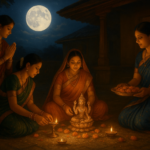
Preparations for puja on Diwali 2026 date begin during the day itself. First clean your home thoroughly and prepare the diyas. In the evening take a bath and wear clean clothes.
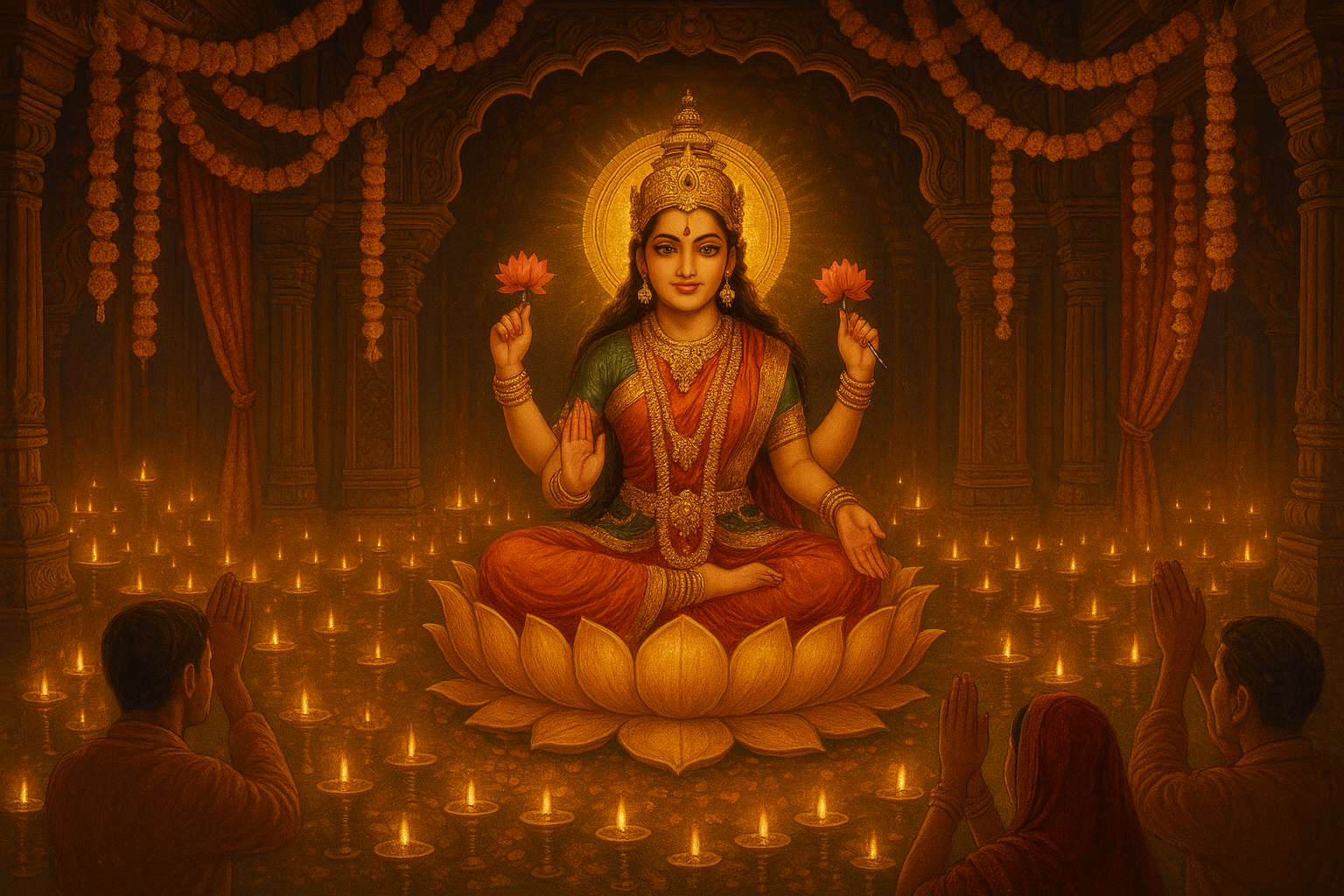
Spread a red or yellow cloth at the puja place and install the idol or picture of Maa Lakshmi and Lord Ganesha. Establish a kalash (sacred pot) and place a coconut on top. Ganesha ji is worshipped first because he is the remover of obstacles.
Worship Maa Lakshmi with panchopchar (the five offerings) – offer gandh (sandalwood paste), pushp (flowers), dhoop (incense), deep (lamp) and naivedya (food offering). Offer bhog of kheel-batasha (puffed rice and sugar drops), sweets and dry fruits. Chant mantras such as “Om Shreem Hreem Shreem Kamale Kamalaalaye Praseed Praseed Om Shreem Hreem Shreem Mahalakshmyai Namah”. Perform aarti of Lakshmi ji and take prasad with your family.
The Significance of Lighting Diyas on Diwali
The word Diwali comes from ‘Deepavali’, which means a row of lamps. Lighting ghee or oil diyas on this night is considered extremely auspicious. Diyas remove the darkness of ignorance and spread the light of knowledge.
Be sure to light diyas at the main entrance, courtyard, terrace, windows and near the tulsi plant. It is believed that Maa Lakshmi resides in homes where the glow of lamps shines. Light diyas in the south direction as well because this pleases Yamraj (the god of death).
Rangoli and Decoration on Diwali
Making rangoli at the main entrance on Diwali 2026 date is an auspicious tradition. Rangoli is a way to welcome Maa Lakshmi. It is made with coloured powder, flowers or rice.
Place a diya in the centre of the rangoli and draw auspicious symbols like swastika, lotus or footprints. Decorate your home with torans (door hangings) of mango leaves, flower garlands and colourful buntings. This combination of cleanliness and beauty invites prosperity.
The Spiritual and Cultural Significance of Diwali
Diwali is not merely an outward celebration but a festival to awaken inner light. It symbolises the victory of good over evil, light over darkness and knowledge over ignorance. The return of Lord Ram to Ayodhya, Lord Krishna’s slaying of Narakasura, and the manifestation of Maa Lakshmi – all are connected to this sacred day.
This festival is celebrated together with family. Old differences are forgotten and everyone comes together. Distributing sweets, giving gifts and seeking the blessings of elders are integral to this festival.
Traders begin new account books on this day and pray to Maa Lakshmi for prosperity throughout the year. It is a festival of newness and positive beginnings.
Points to Remember on Diwali 2026 Date
On Diwali take care to use firecrackers sparingly and carefully. Avoid air pollution and noise pollution. Exercise caution while lighting diyas and keep children away from fire.
Light diyas of pure ghee as they are considered more sacred. Pay special attention to cleanliness and remove unnecessary items. Consume sattvic (pure) food and avoid meat and alcohol.
Donating to the poor and needy on this day is highly meritorious. Whatever help you can provide through clothes, food or money, do give generously.
Frequently Asked Questions
On which date is Diwali 2026?
Diwali 2026 date is 8 November 2026. It falls on a Sunday and this sacred festival will be celebrated on the Amavasya tithi of Kartik month.
What is the most auspicious time for Lakshmi puja?
Pradosh Kaal is the best time for Lakshmi puja. This is the period after sunset when darkness spreads on the Amavasya night. Check your local panchang for the exact muhurat.
In which direction should we light diyas on Diwali?
Light diyas at the main entrance, all windows and near the tulsi plant without fail. Lighting diyas in the south direction is also considered auspicious. Maa Lakshmi is pleased when every corner has light.
Which flowers should be offered in Diwali puja?
The lotus flower is most beloved to Maa Lakshmi. Besides this, marigold flowers, roses and seasonal flowers can also be offered. Yellow and red coloured flowers are considered auspicious.
What naivedya should be offered on Diwali?
Offer kheel-batasha, sweets like laddoo or barfi, dry fruits and fresh fruits. Pure homemade sweets are especially auspicious. Take prasad only after offering bhog.
Experience Divine Darshan with Durlabh Darshan
If you are at home this Diwali and cannot visit a temple, the Durlabh Darshan app brings you a divine experience. Through AR/VR technology you can have darshan of Maa Lakshmi and various temples from the comfort of your home. This app is not a replacement for physical pilgrimage but a complement, helping those devotees who cannot visit temples due to distance, health or other reasons. Download the Durlabh Darshan app and enjoy divine darshan on this sacred festival.
For More Information Visit :
Follow our social media handles for more such content