

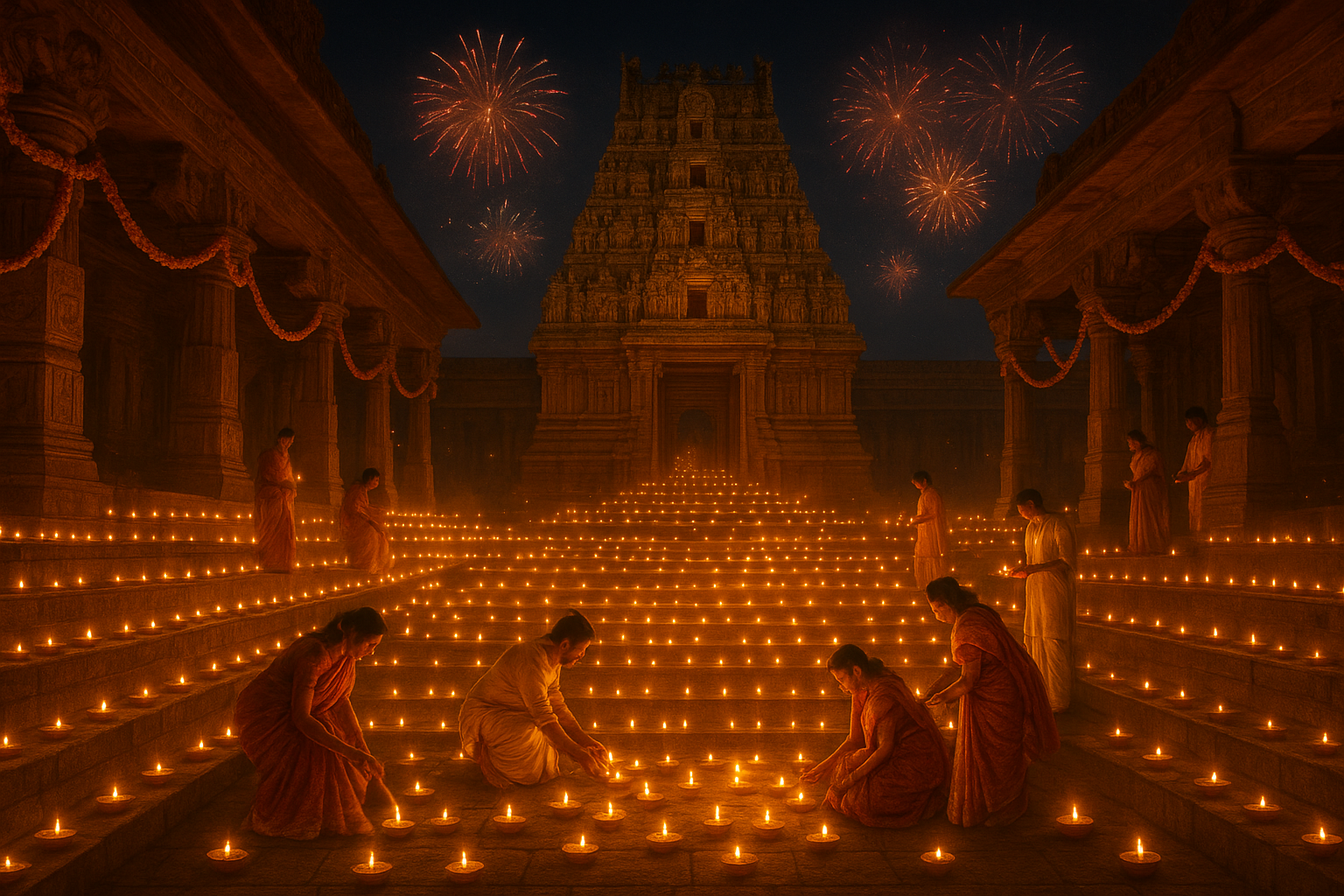
Diwali is India’s most cherished and beloved festival, symbolizing the victory of light over darkness. This year too, Diwali was celebrated across the nation with immense enthusiasm and traditional devotion. From Ayodhya to Ujjain, from Rajasthan to every corner of the country, devotees adorned their homes and temples with the glow of lamps.
The Spiritual Significance of Diwali
Diwali is a sacred five-day celebration that begins with Dhanteras and continues through Bhai Dooj. This festival commemorates the joyous return of Lord Shri Ram to Ayodhya after fourteen years of exile. On that day, the people of Ayodhya welcomed their Lord by lighting lamps filled with ghee.
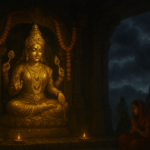
On this auspicious occasion, Maa Lakshmi and Lord Ganesha are worshipped. According to tradition, on the night of Diwali, Maa Lakshmi roams the earth and enters homes that are clean and illuminated. This is why devotees decorate their homes with lamps and maintain purity.
Ram Lalla’s Aarti in Ayodhya
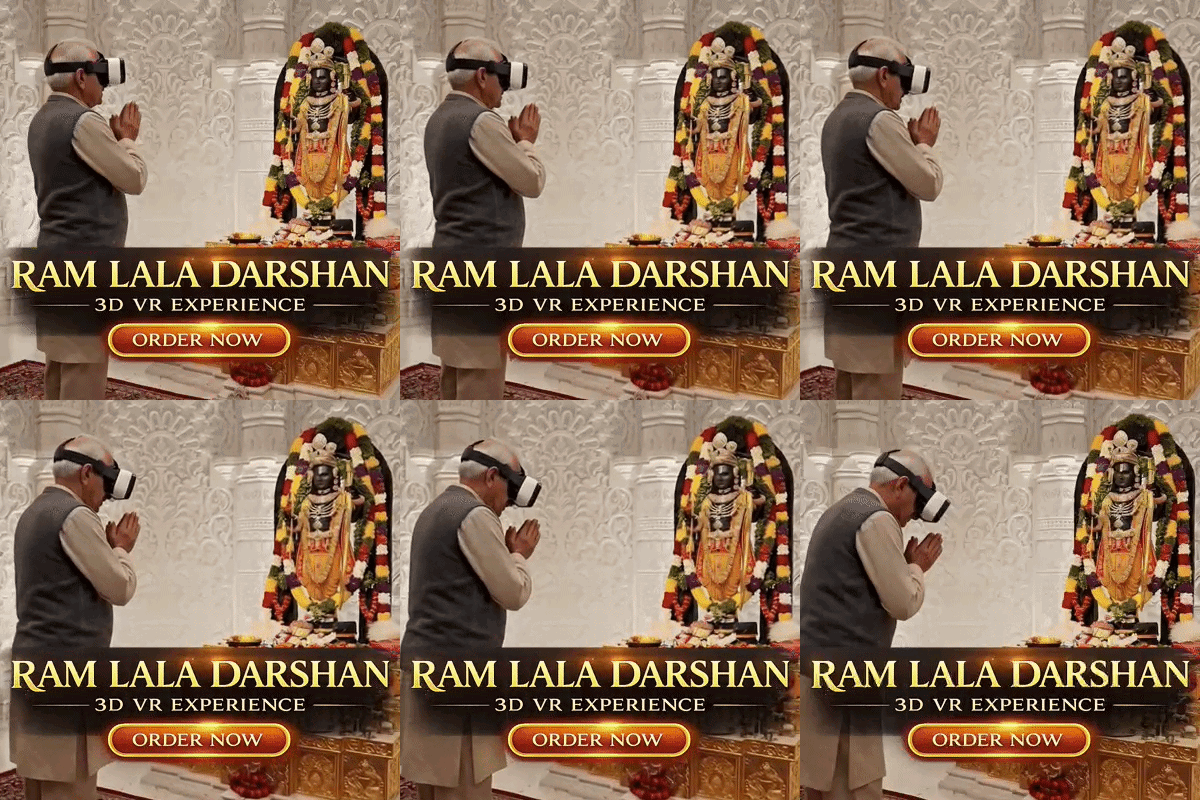
This year, the Diwali celebrations in Ayodhya were especially grand. Vice President CP Radhakrishnan and Uttar Pradesh Governor Anandiben Patel performed the aarti of Ram Lalla. The entire premises of the Ram Janmabhoomi temple glowed with the light of countless lamps.
This city of Lord Shri Ram has always been central to Diwali celebrations. This time too, lakhs of devotees had darshan of Ram Lalla and offered lamp donations.
The Prime Minister’s Message and Mahakal’s Bhasma Aarti
Prime Minister Narendra Modi extended Diwali greetings to the nation, saying that this festival symbolizes our resolve against darkness. His message reached crores of devotees across the country and inspired everyone.
In Ujjain’s Mahakal temple, Diwali was celebrated with the Bhasma Aarti. The Bhasma Aarti of Lord Mahakaleshwar is in itself a divine experience, and on Diwali its magnificence multiplies manifold. Thousands of devotees participated in this sacred aarti.
Lakshmi and Durga Aarti in Rajasthan
Rajasthan’s Deputy Chief Minister Diya Kumari performed the aarti of Maa Lakshmi and Maa Durga on the occasion of Diwali. This tradition has continued in Rajasthan for centuries, where both prosperity and strength are worshipped on Diwali.
Maa Lakshmi is the goddess of wealth and prosperity, while Maa Durga presides over strength. The combined worship of both grants devotees worldly as well as spiritual power.
The Splendor of Deepotsav in Every Home
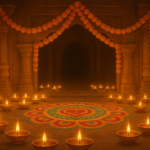
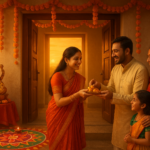
Diwali is not limited to temples alone. In every home, lamps are lit, rangoli is created and sweets are distributed. All family members gather to perform Lakshmi Poojan and share love and sweetness with one another.
According to tradition, on the night of Diwali, oil or ghee lamps should be lit in homes. Some devotees keep the lamps burning throughout the night so that Maa Lakshmi may arrive. Additionally, the main entrance is decorated with torans and mango leaves.
The Diwali Puja Rituals
Diwali puja is performed during the evening hours. First, the home is thoroughly cleaned and the worship space is decorated. Then the murti or picture of Maa Lakshmi and Lord Ganesha is installed.
In the puja, flowers, incense, lamps, offerings and sweets are presented. Devotees pray to Maa Lakshmi for prosperity and to Lord Ganesha for the removal of obstacles. After the puja, all family members share sweets with each other and seek blessings.
Annakut and Govardhan Puja
The day after Diwali, Govardhan Puja and Annakut are observed. This tradition is linked to Lord Shri Krishna’s divine act of lifting Govardhan Hill. Devotees create a symbolic representation of Govardhan Hill with cow dung and worship it.
In Annakut, various types of dishes are offered as bhog to the Lord. This bhog is later distributed among devotees as prasad.
The Social Message of Diwali
Diwali teaches us that no matter how deep the darkness, even a small lamp can dispel it. This is not merely about physical light, but points toward the light of knowledge and the path of truth.
This festival gives us an opportunity to connect with family and society. It is an appropriate time to set aside old bitterness, form new relationships and strengthen existing ones.
Frequently Asked Questions About Diwali
Why is Diwali celebrated?
Diwali is celebrated to mark the joyous return of Lord Shri Ram to Ayodhya after fourteen years of exile. On this day, light triumphed over darkness, truth over falsehood, and knowledge over ignorance.
At what time should Diwali puja be performed?
Diwali puja should be performed in the evening during Pradosh Kaal. According to tradition, this time is considered most auspicious for worshipping Maa Lakshmi.
Which deities are worshipped on Diwali?
On Diwali, Maa Lakshmi and Lord Ganesha are primarily worshipped. In some places, Maa Saraswati and Lord Kubera are also worshipped.
How many lamps should be lit at home on Diwali?
The scriptures do not mention a specific number, but according to tradition, lamps must be lit at the main entrance, the worship space, near the tulsi plant, and in all four corners of the home.
How many days does the Diwali festival last?
The Diwali festival lasts five days – Dhanteras, Narak Chaturdashi, Diwali (Lakshmi Poojan), Govardhan Puja, and Bhai Dooj.
Experience Divine Darshan with Durlabh Darshan
If you could not visit Ram Lalla in Ayodhya, Mahakaleshwar in Ujjain, or other sacred temples this Diwali, experience divine darshan from home through the Durlabh Darshan app. This AR/VR technology offers you the opportunity to virtually participate in temple aartis and darshan. While it cannot replace a physical pilgrimage, it is a beautiful medium of devotion for those devotees who are unable to travel. Download the Durlabh Darshan app and make every day as sacred as Diwali.
For More Information Visit :
Follow our social media handles for more such content