

Introduction
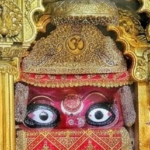
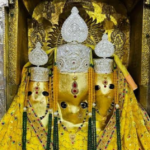
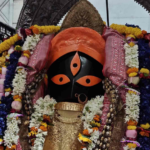
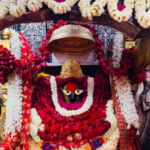
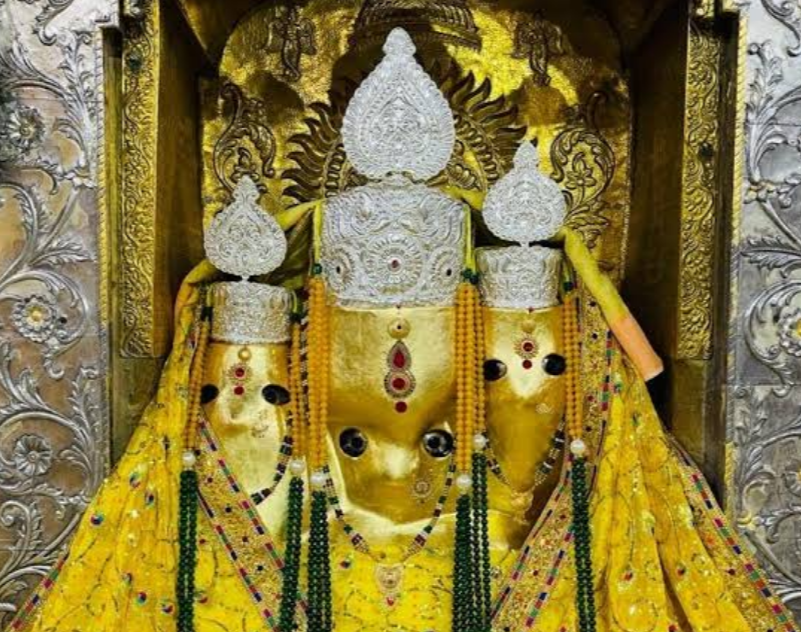
Baglamukhi Devi Temple in Nalkheda, located in the Agar Malwa district of Madhya Pradesh, is one of the most powerful and spiritually intense centers of Shakti worship in India. Dedicated to Maa Baglamukhi, one of the ten Mahavidyas, this temple is not primarily a place of casual devotion but a site of focused spiritual intent, where devotees come with specific purposes such as protection, victory, and resolution of life challenges.
The temple represents a unique intersection of devotion and Tantra. It is widely known for its association with “Stambhan Shakti,” the divine power to paralyze or control negative forces. Over time, the temple has evolved into a Siddh Peeth, a spiritually charged location where continuous sadhanas and rituals have intensified its perceived power.
Mythological Origin of Maa Baglamukhi
The origin of Maa Baglamukhi is rooted in a cosmic event described in ancient texts. According to tradition, a severe storm once threatened to disrupt the balance of the universe. In response, Lord Vishnu performed intense penance to invoke a divine force capable of stabilizing the situation.
From the Haridra Sarovar, a sacred lake associated with turmeric, Maa Baglamukhi emerged in a radiant yellow form. She immediately exercised her power of stambhan, halting the destructive forces and restoring equilibrium.
This origin establishes Maa Baglamukhi as a goddess of control, stability, and decisive intervention. Unlike other forms of the goddess that nurture or protect, Baglamukhi acts by stopping, restraining, and neutralizing.
Meaning and Symbolism of Baglamukhi
The name “Baglamukhi” carries deep symbolic meaning. The term “Bagla” is interpreted as “to restrain or control,” while “Mukhi” refers to the face or expression. Together, the name represents the power to control or immobilize.
She is also known as:
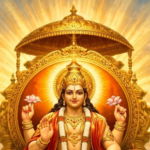
- Pitambara Devi (the goddess clad in yellow)
- The deity of stambhan (paralysis of negative forces)
Her symbolism is highly specific:
- Control over speech
- Neutralization of enemies
- Stabilization of chaotic situations
Iconography of the Goddess
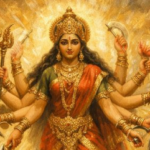
The depiction of Maa Baglamukhi is unique and deeply symbolic.
Key elements include:
- Yellow attire, representing energy, clarity, and divine force
- One hand gripping the tongue of a demon, symbolizing control over speech and harmful expression
- The other hand holding a weapon, indicating decisive action
This imagery conveys a powerful philosophical message: victory is achieved not only through force but through control of communication, thought, and intention.
Significance of Nalkheda Temple
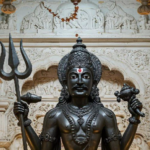
The Baglamukhi Temple at Nalkheda is considered one of the most authentic and powerful centers dedicated to this goddess.
Its significance arises from:
- Continuous practice of Tantric rituals over generations
- Recognition as a Siddh Peeth
- Presence of experienced priests and sadhaks
The temple is not designed as a large architectural complex but as a focused ritual space where energy is concentrated through repeated spiritual practices.
Tantric Importance
Baglamukhi worship is closely linked with Tantra, which emphasizes transformation through direct engagement with energy.
In this context, Baglamukhi represents:
- Control over external challenges
- Mastery over internal disturbances
- Transformation through discipline
Tantric practices associated with the temple include:
- Stambhan rituals
- Protection-oriented havans
- Mantra-based sadhana
These practices are often undertaken with guidance, as they require precision and understanding.
Rituals and Offerings
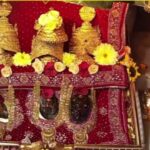
One of the defining aspects of Baglamukhi worship is the consistent use of the color yellow.
Common elements include:
- Yellow clothes worn by devotees
- Haldi (turmeric) used in rituals
- Yellow flowers and offerings
Key Rituals:
- Baglamukhi Anushthan
- Haldi mala chanting
- Fire rituals (havan) for protection and success
These rituals are structured and intentional, often performed for specific outcomes rather than general devotion.
Darshan Experience
The experience of visiting the temple differs significantly from more mainstream temples.
Characteristics include:
- A quieter but more intense environment
- Devotees engaged in focused rituals
- Less emphasis on crowd-driven devotion and more on individual intent
Darshan is generally closer and allows for a more direct connection with the deity.
Best Time to Visit
The temple can be visited throughout the year, but certain times are considered more favorable:
- Navratri, especially for Devi worship
- Thursdays, associated with auspicious energy for Baglamukhi
- Early morning hours for a calmer experience
Accessibility
Nalkheda is well connected by road and can be accessed from major cities in Madhya Pradesh.
- Nearby cities: Ujjain, Indore, Agar Malwa
- Nearest railway stations: Shajapur, Ujjain
- Nearest airport: Indore
Spiritual Intent and Devotee Perspective
Devotees approach Maa Baglamukhi with specific intentions. These often include:
- Protection from adversaries
- Success in legal or competitive situations
- Stability in personal and professional life
- Removal of negative influences
The temple’s energy is perceived as direct and result-oriented, which differentiates it from more general devotional spaces.
Role of Discipline in Worship
Unlike casual temple visits, Baglamukhi worship emphasizes discipline.
Important aspects include:
- Clarity of intention
- Consistency in practice
- Respect for ritual structure
This disciplined approach aligns with the nature of the goddess, who represents control and precision.
Durlabh Darshan Integration
In the context of Baglamukhi Devi worship, where focus, precision, and uninterrupted attention are essential, access to a calm and structured darshan experience becomes particularly valuable. The 3D VR streaming Durlabh Darshan app extends this possibility by enabling devotees to experience temple environments with clarity and without external disturbance. This approach does not replace physical visits to Nalkheda, which carry their own spiritual importance, but offers an additional medium through which devotees—especially those unable to travel due to distance, health, or time constraints—can remain connected to Maa Baglamukhi. By allowing a more focused visual engagement with the deity and rituals, such immersive formats support a deeper internalization of devotion, which is central to Baglamukhi sadhana.
For More Information Visit
Philosophical Interpretation
Baglamukhi worship represents a deeper philosophical idea: the power of stillness and control.
In a broader sense:
- Stopping negativity is as important as creating positivity
- Control over speech leads to control over action
- Stability is the foundation of transformation
The goddess embodies these principles, making her worship both practical and symbolic.
Conclusion
Baglamukhi Devi Temple in Nalkheda stands as a unique and powerful spiritual center where devotion meets discipline and Tantra. It is a place where seekers come not only to pray but to transform their circumstances through focused intent and guided practice.
The temple’s significance lies in its ability to address specific challenges, offering a form of spiritual engagement that is direct, intense, and purposeful. Whether through physical darshan or structured immersive experiences, the connection with Maa Baglamukhi remains centered on clarity, control, and inner strength.
Follow our social media handles for more such content