

Introduction
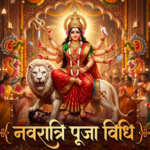
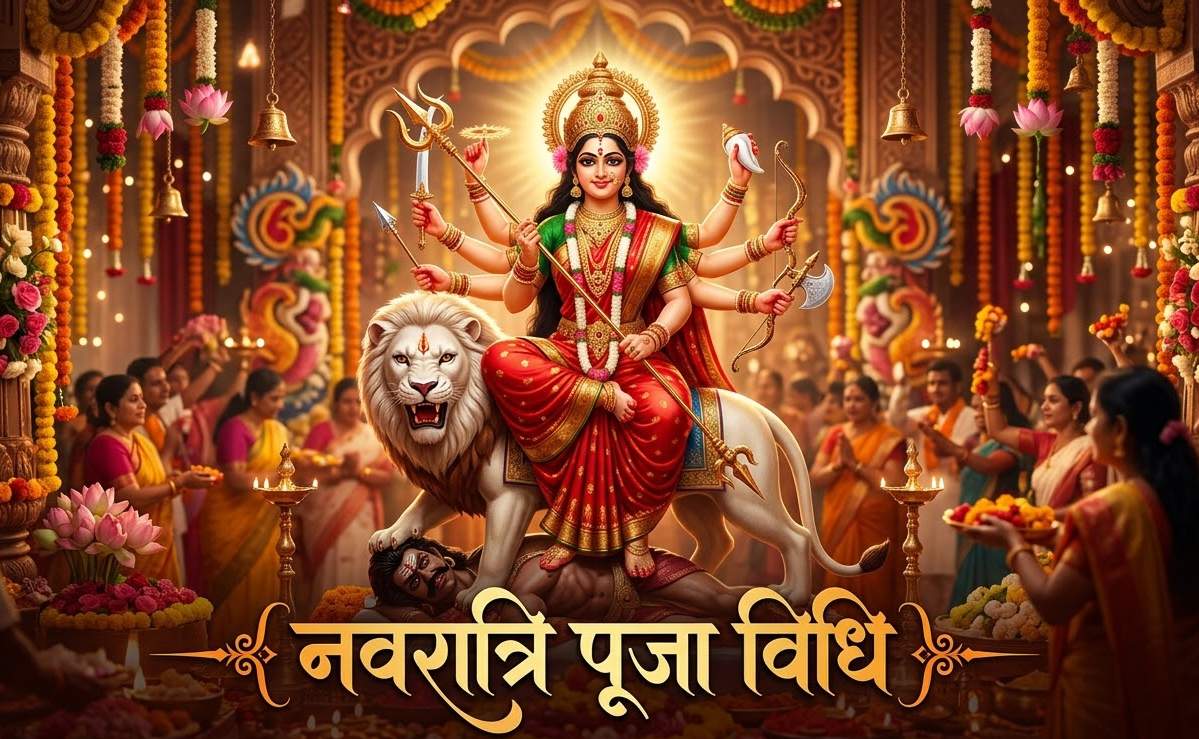
Navratri pooja vidhi is a sacred spiritual practice that marks the worship of Goddess Durga during the nine auspicious days of Navratri. These nine days are dedicated to devotion, discipline, and inner purification. Performing navratri pooja vidhi at home is considered highly powerful, as it helps establish divine energy within the living space and strengthens the connection between the devotee and the Goddess.
Navratri pooja vidhi is not only a ritualistic process but also a complete spiritual system that balances the body, mind, and soul. When performed with proper intention, devotion, and discipline, navratri pooja becomes a transformative experience that brings peace, clarity, and strength.
Importance of Navratri Pooja Vidhi
Navratri pooja plays a central role in invoking divine feminine energy. It represents the victory of good over evil and the awakening of inner strength. The structured process of navratri pooja ensures that every step contributes to creating a spiritually charged environment.
Benefits of following navratri pooja vidhi:
- Enhances spiritual awareness and discipline
- Creates a positive and purified atmosphere
- Reduces mental stress and emotional instability
- Improves focus, clarity, and inner strength
- Attracts prosperity, harmony, and divine blessings
Regular practice of navratri pooja during the nine days builds a rhythm of devotion and consistency, which is essential for spiritual growth.

Materials Required for Navratri Pooja
Before starting navratri pooja vidhi, organizing all materials is essential for a smooth and uninterrupted ritual.
Required items:
- Idol or image of Goddess Durga
- Kalash (sacred pot)
- Coconut
- Mango leaves
- Red cloth
- Barley seeds (for sowing)
- Flowers and garlands
- Incense sticks and diya
- Camphor
- Kumkum and rice (akshat)
- Fruits and sweets
- Betel leaves and सुपारी
- Gangajal
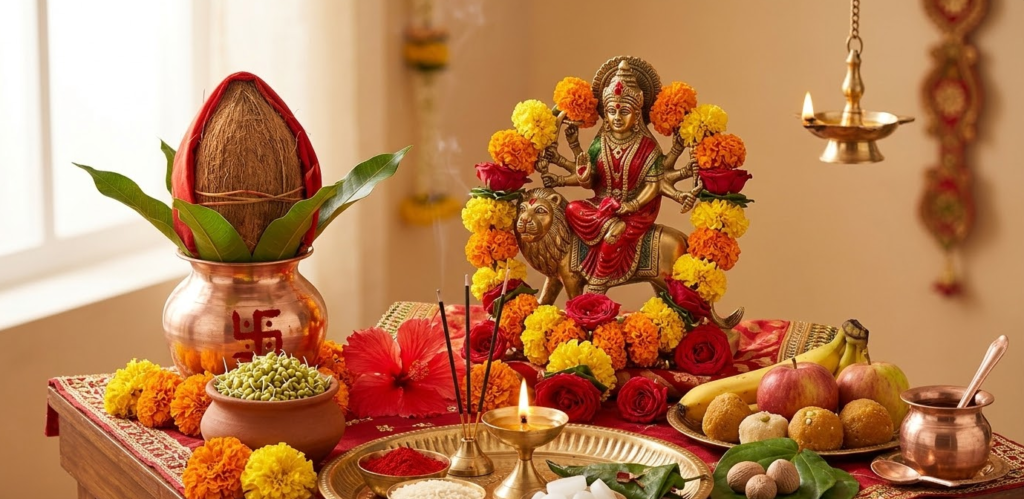
Each item used in navratri pooja carries symbolic meaning and contributes to the spiritual energy of the ritual.
Step-by-Step Navratri Pooja
1. Preparation of the Sacred Space
The first step in navratri pooja is selecting a clean, quiet, and undisturbed place. Clean the area thoroughly and purify it with Gangajal. Place a wooden platform and cover it with a red cloth, symbolizing energy and auspiciousness.
This step in navratri pooja establishes a sacred environment necessary for invoking divine energy.
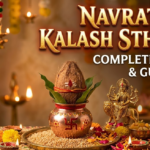
2. Kalash Sthapana (Ghatasthapana)
Kalash Sthapana is the foundation of navratri pooja. It represents the presence of divine energy.
Procedure:
- Fill a pot with soil and sow barley seeds
- Place a water-filled kalash over it
- Add mango leaves at the top
- Place a coconut wrapped in red cloth
This step in navratri pooja symbolizes growth, life, and divine presence.
3. Lighting the Diya and Incense
Lighting a lamp is an essential part of navratri pooja . It represents the removal of darkness and ignorance.
- Use ghee or oil diya
- Light incense sticks
This step enhances the purity and positivity of the surroundings.
4. Invocation of Goddess Durga
Invocation is a crucial stage in navratri pooja where the devotee mentally connects with the divine.
Chant the mantra:
“Ya Devi Sarvabhuteshu Shakti Rupena Samsthita…”
Offer flowers with devotion. This step strengthens the spiritual connection.
5. Offering Kumkum and Akshat
Applying kumkum and offering rice grains is a symbolic act of respect.
In navratri pooja vidhi, this step signifies surrender and devotion to the Goddess.
6. Offering Flowers and Garland
Fresh flowers are essential in navratri pooja vidhi as they represent purity and devotion.
Offering flowers daily maintains a connection with divine energy.
7. Offering Bhog
Food offering is a major component of navratri pooja vidhi.
Common offerings:
- Fruits
- Sweets
- Halwa, puri, kheer
This step represents gratitude and devotion.

8. Recitation of Sacred Texts
Daily recitation enhances the power of navratri pooja vidhi.
- Durga Chalisa
- Durga Saptashati
These texts create strong positive vibrations and mental clarity.
9. Performing Aarti
Aarti marks the completion of navratri pooja vidhi.
- Light camphor or diya
- Perform circular motion before the deity
This step symbolizes offering light to divine energy.
Day-wise Significance in Navratri Pooja Vidhi
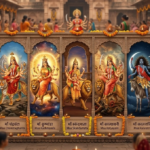
Each day in navratri pooja vidhi is aligned with a specific form of Goddess Durga.
- Shailputri – Stability
- Brahmacharini – Discipline
- Chandraghanta – Courage
- Kushmanda – Creation
- Skandamata – Motherhood
- Katyayani – Strength
- Kalaratri – Protection
- Mahagauri – Purity
- Siddhidatri – Fulfillment
Following this sequence enhances the effectiveness of navratri pooja vidhi.
Kanya Pujan in Navratri Pooja Vidhi
Kanya pujan is a vital part of navratri pooja vidhi performed on Ashtami or Navami.
Steps:
- Wash feet of young girls
- Offer food and gifts
This ritual symbolizes respect for feminine energy.
Fasting Rules During Navratri
Navratri pooja vidhi is often accompanied by fasting.
Guidelines:
- Eat sattvic food
- Avoid onion and garlic
- Maintain positive thoughts
- Practice discipline
Fasting supports both physical detox and spiritual focus.
Modern Relevance of Navratri Pooja Vidhi
In modern life, navratri pooja vidhi helps restore balance amidst stress and distractions. Even simple rituals performed with devotion can create a deep spiritual impact.
Experience Divine Darshan at Home
Durlabh Darshan allows devotees to experience temple darshan virtually through 3D VR.
It complements navratri pooja vidhi by providing immersive spiritual experiences at home.
for more informtion visit :
Conclusion
Navratri pooja vidhi is a powerful spiritual practice that combines devotion, discipline, and energy. When performed correctly, it brings peace, prosperity, and spiritual awakening.
Follow our social media handles for more such content