

Vaishno Devi
Introduction
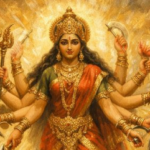
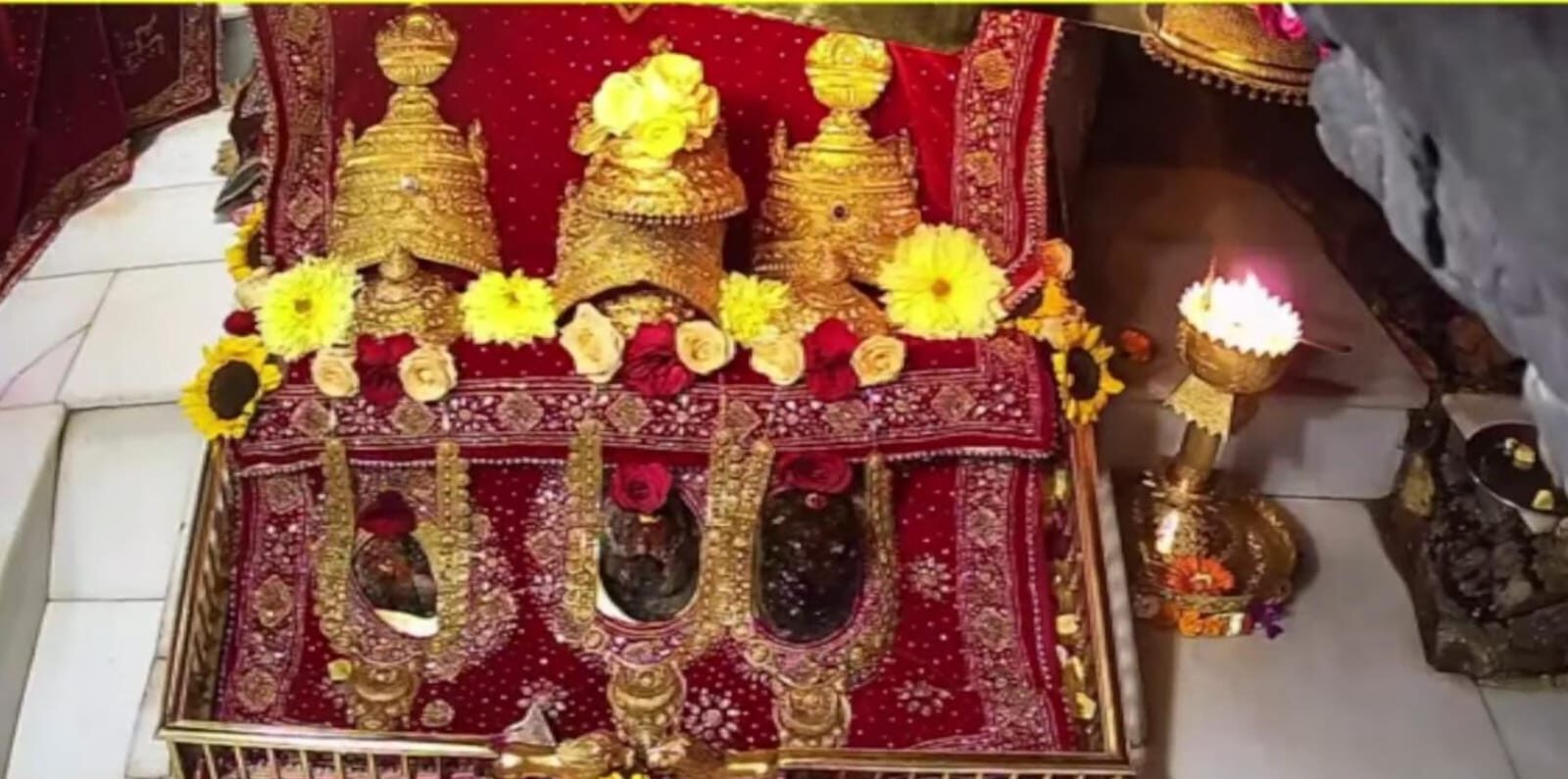
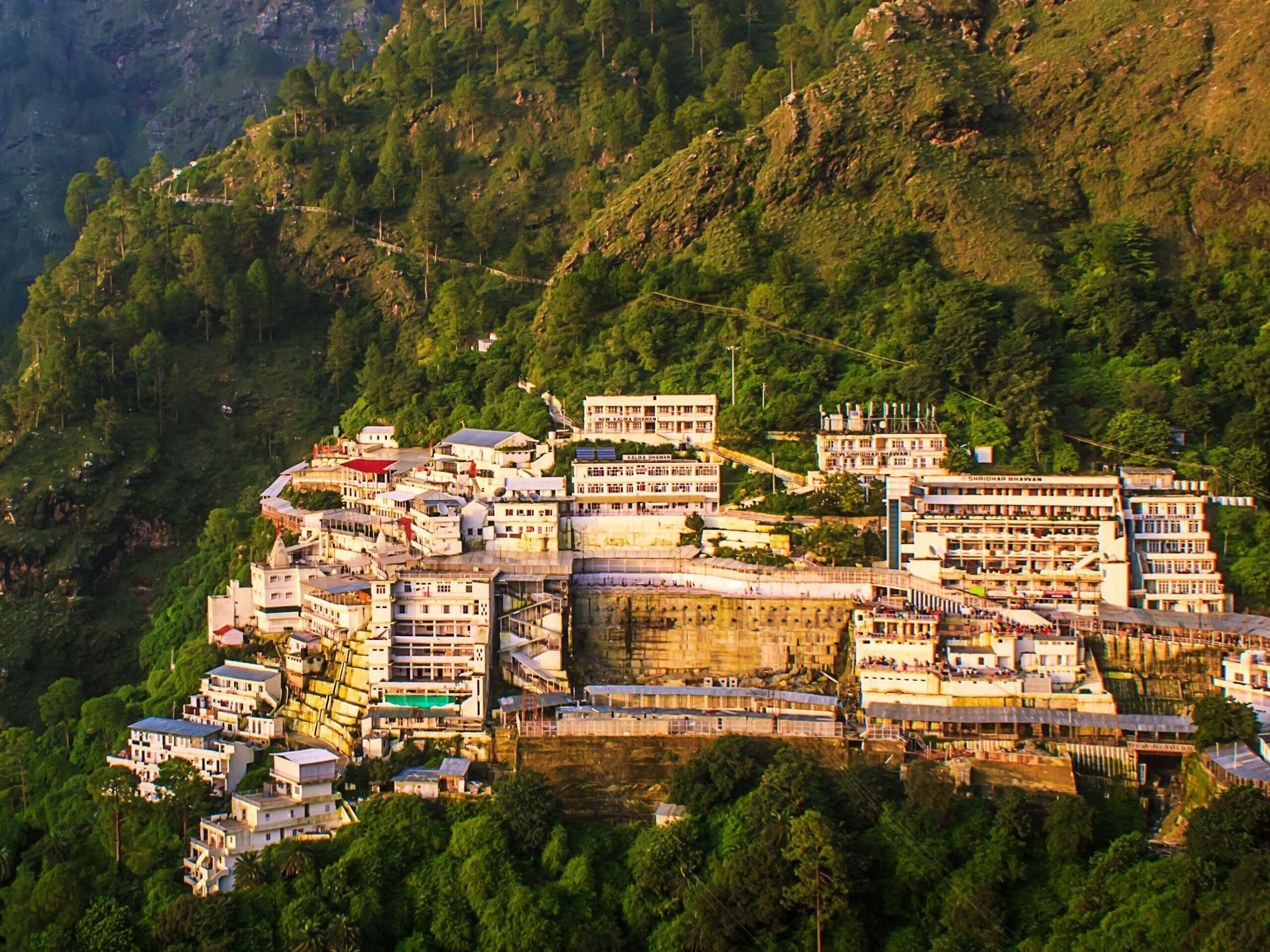
Vaishno Devi Temple, located in the Trikuta Mountains near Katra in Jammu and Kashmir, is one of the most visited and spiritually significant pilgrimage sites in India. Dedicated to Mata Vaishno Devi, the temple represents the combined energies of Mahakali, Mahalakshmi, and Mahasaraswati. Unlike conventional temples with idols, the sanctum houses three natural rock formations known as pindis, which are considered self-manifested forms of the Goddess.
The pilgrimage to Vaishno Devi is unique because it is not limited to the temple structure alone. The journey itself, involving a trek of approximately 12–14 kilometers, is considered an essential part of devotion. This combination of physical effort and spiritual intent defines the Vaishno Devi experience.
Mythological Background
The origin of Vaishno Devi is deeply rooted in ancient traditions. According to legend, Mata Vaishnavi was born as a manifestation of divine energy to restore balance in the world. She undertook severe penance and resided in the Trikuta Mountains.
A tantric ascetic named Bhairavnath pursued her with the intent of testing her spiritual power. To protect herself, Mata Vaishnavi moved through various locations in the mountains, which are now significant stops in the pilgrimage route.
Eventually, she took refuge in a cave where she meditated for nine months. When Bhairavnath confronted her, she revealed her divine form and severed his head. After realizing his mistake, Bhairavnath sought forgiveness. The Goddess granted him liberation and declared that his temple would be an essential part of the pilgrimage.
This narrative establishes the theological structure of the yatra, where visiting Bhairavnath Temple after the main darshan is considered necessary to complete the pilgrimage.
The Three Pindis
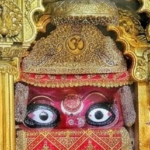
The sanctum of Vaishno Devi does not contain a traditional idol. Instead, it houses three pindis, each representing a distinct aspect of the Goddess:
- Mahakali: Power and protection
- Mahalakshmi: Wealth and prosperity
- Mahasaraswati: Knowledge and wisdom
These pindis are naturally formed rock structures, reinforcing the belief that the site is self-manifested and not created by human hands.
The Yatra Experience
The Vaishno Devi pilgrimage begins at Katra, which serves as the base camp. From here, devotees undertake a trek of approximately 12–14 kilometers to reach the Bhawan (main shrine).
Route Highlights
- Banganga: The point where devotees begin their ascent after ritual cleansing
- Charan Paduka: Believed to bear the footprints of the Goddess
- Ardhkuwari: A cave where the Goddess is said to have meditated
- Bhawan: The main temple housing the pindis
- Bhairavnath Temple: Final stop completing the yatra
The journey is continuous, with devotees chanting and walking together, creating a collective devotional atmosphere.
Modes of Travel
The yatra can be completed through multiple modes:
- Walking (most traditional and common)
- Pony or palki for those unable to walk
- Battery-operated vehicles (partial route)
- Helicopter services from Katra to Sanjichhat
Each mode provides access to the shrine while accommodating different physical capabilities.
Darshan System
Due to the large number of visitors, the temple operates under a structured darshan system.
Key aspects include:
- Mandatory registration (yatra slip)
- Queue management for smooth flow
- Security checks and regulated entry
The darshan itself is brief but intense, as devotees pass through the cave and witness the pindis.
Festivals and Peak Seasons
Vaishno Devi experiences peak visitation during:
- Navratri (most significant)
- Summer vacations
- New Year period
During Navratri, the temple is decorated, and special rituals are conducted, increasing both spiritual intensity and crowd density.
Spiritual Significance
Vaishno Devi represents a complete form of the divine feminine. The three pindis collectively symbolize the balance of power, prosperity, and knowledge.
Devotees visit the temple for:
- Fulfillment of wishes
- Spiritual growth
- Inner strength
- Protection and guidance
The belief that “Mata calls her devotees” is central to the pilgrimage experience, reinforcing the idea that the journey is guided rather than planned.
Infrastructure and Accessibility
Vaishno Devi is one of the most well-managed pilgrimage sites in India.
Facilities include:
- Accommodation at multiple points
- Food and medical services along the route
- Clean pathways and lighting for night travel
- Ropeway connectivity to Bhairavnath Temple
These facilities make the pilgrimage accessible to a wide range of devotees.

Durlabh Darshan Integration
The Vaishno Devi yatra is deeply rooted in physical effort and devotion, yet it may not always be feasible for every devotee to undertake the journey due to distance, health, or time constraints. The 3D VR streaming Durlabh Darshan app offers an additional way to stay connected with the shrine by providing a structured and immersive darshan experience. This does not replace the significance of the physical yatra, but it allows devotees to observe the sacred pindis and temple environment with clarity and continuity. For those who wish to revisit the experience or maintain regular spiritual connection, such an approach enables focused engagement without the logistical challenges of travel.
For More Information Visit :
Philosophical Understanding
The Vaishno Devi pilgrimage represents more than a physical journey. It symbolizes:
- Movement from effort to realization
- Balance of different aspects of life
- Surrender to divine guidance
The trek itself becomes a metaphor for spiritual progression, where each step reflects discipline, faith, and perseverance.
Conclusion
Vaishno Devi Temple stands as one of the most complete spiritual experiences in India, combining mythology, physical effort, and structured devotion. The presence of the three pindis, the significance of the yatra, and the continued flow of devotees make it a living and evolving pilgrimage.
Whether experienced through physical travel or through structured alternatives, the connection with Mata Vaishno Devi remains rooted in faith, intention, and continuity of devotion.
Follow our social media handles for more such content