


Navratri Fasting Guide
Navratri Fasting is one of the most spiritually significant practices observed during the nine sacred days of Navratri, a festival dedicated to Goddess Durga and her nine divine forms. These nine days are not just about rituals and celebrations—they represent a journey of purification, discipline, and inner transformation.
Navratri Fasting is deeply rooted in ancient traditions and holds both spiritual and scientific significance. It is a process that allows the body to detoxify, the mind to calm down, and the soul to connect with higher consciousness. Unlike regular fasting, this practice integrates devotion, food discipline, mental control, and daily worship.
During these nine days, devotees consciously shift from a regular lifestyle to a more disciplined and spiritually aligned routine. This includes waking up early, maintaining cleanliness, eating specific foods, avoiding negativity, and dedicating time to prayer and reflection.
Spiritual Meaning and Importance
Navratri symbolizes the victory of good over evil and the awakening of divine feminine energy. Each day is dedicated to a different form of Goddess Durga, representing various aspects of life such as strength, wisdom, courage, and purity.
Navratri Fasting plays a central role in this spiritual journey. It is believed that by controlling physical desires and focusing on devotion, a person can elevate their consciousness and receive divine blessings.
The importance of this practice can be understood in multiple dimensions:
1. Spiritual Growth
Fasting helps in detaching from material distractions and focusing on inner peace and devotion.
2. Mental Discipline
Avoiding certain foods and habits trains the mind to stay controlled and focused.
3. Emotional Balance
Regular prayer and meditation during this period help in reducing stress and emotional instability.
4. Energy Alignment
It is believed that the body’s energy centers (chakras) become more balanced during fasting.

Scientific Perspective of Fasting
Beyond spirituality, there is a strong scientific basis behind fasting during Navratri.
Navratri Fasting aligns with seasonal changes, especially during the transition of climate. During this time, the digestive system becomes sensitive, and consuming light, sattvic food helps maintain balance.
Key Scientific Benefits:
- Detoxification of the digestive system
- Improved metabolism
- Better gut health
- Reduced inflammation
- Increased mental clarity
When the body is not overloaded with heavy foods, it redirects energy toward healing and repair. This is why people often feel lighter, more energetic, and mentally sharp during fasting.
9 Important Rules to Follow
1. Wake Up Early and Begin with Purity
Starting your day early aligns your body with natural rhythms. Morning prayers set a positive tone for the day.
2. Maintain Cleanliness
A clean environment supports a calm and focused mind. Spiritual practices are more effective in a purified space.
3. Perform Kalash Sthapana
This ritual marks the beginning of Navratri and symbolizes divine presence in the home.
4. Eat Only Sattvic Food
Light and pure foods help maintain physical and mental balance.
5. Daily Prayer and Aarti
Consistent worship strengthens spiritual connection and brings inner peace.
6. Avoid Negative Thoughts
Mental discipline is crucial. Positive thinking enhances the effect of fasting.
7. Avoid Onion and Garlic
These foods are believed to increase restlessness and should be avoided.
8. Avoid Alcohol and Non-Veg
Maintaining purity in diet is essential for spiritual growth.
9. Perform Kanya Pujan
This ritual represents respect for feminine energy and completes the fasting process.
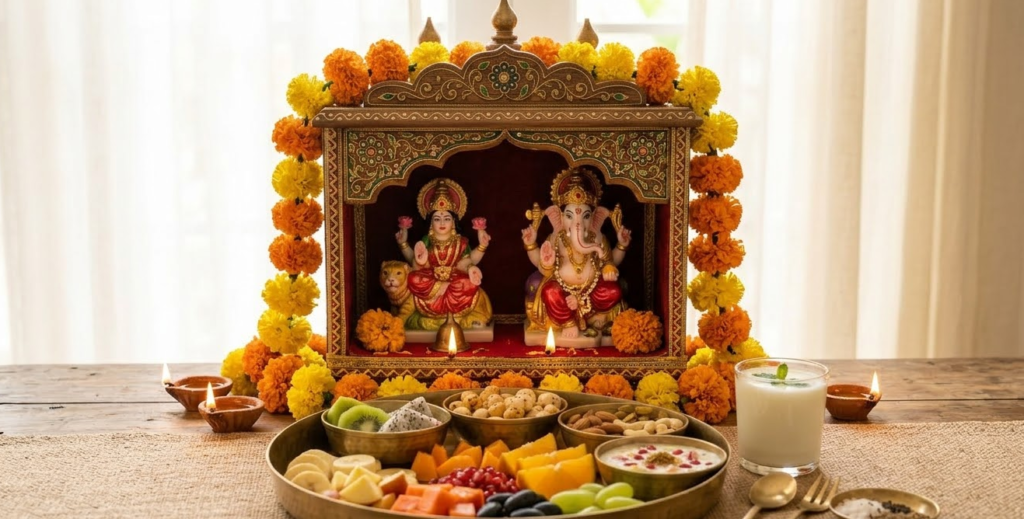
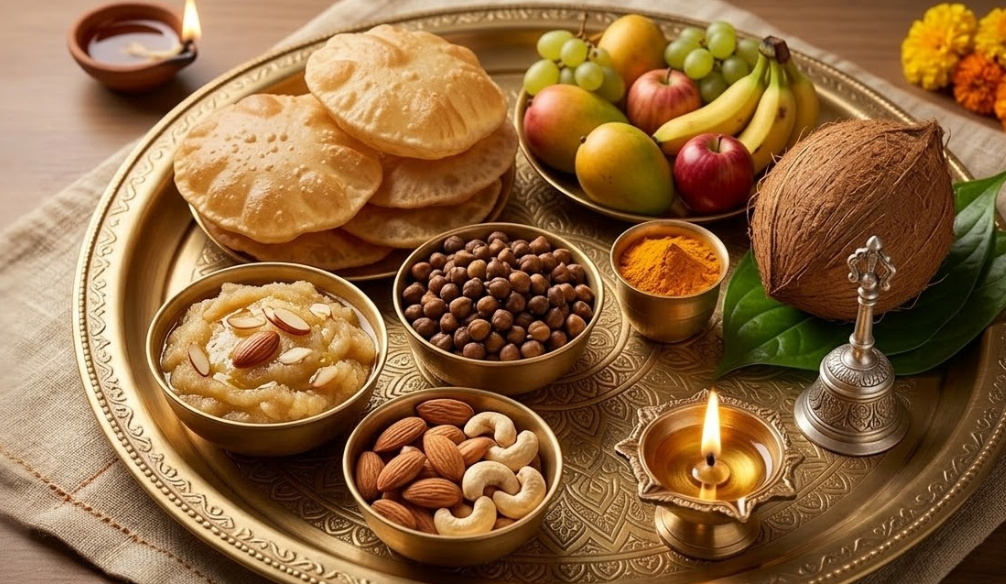
What to Eat During Navratri
A balanced fasting diet is essential to maintain energy levels.
Fruits
Fruits are rich in vitamins, minerals, and natural sugars. They keep the body hydrated and energized.
Dairy Products
Milk, curd, and paneer provide protein and help maintain strength.
Sabudana
A high-energy food that is easy to digest. Popular dishes include khichdi and kheer.
Kuttu Flour
A gluten-free option used for puri and paratha.
Singhara Flour
Used in making halwa and other dishes.
Makhana
Light, nutritious, and perfect for snacking.
Potatoes
Versatile and commonly used in fasting recipes.
Rock Salt
Used instead of regular salt due to its purity.
What to Avoid
To maintain discipline and purity, certain foods must be avoided.
- Grains like wheat and rice
- Pulses and lentils
- Onion and garlic
- Meat, eggs, and fish
- Alcohol and tobacco
Avoiding these foods helps maintain both physical and spiritual balance.
Health Benefits
Navratri Fasting offers numerous health benefits:
1. Detoxification
Removes toxins from the body and improves organ function.
2. Improved Digestion
Light food gives rest to the digestive system.
3. Weight Management
Helps in reducing excess weight naturally.
4. Mental Clarity
Enhances focus and reduces stress.
5. Increased Energy
Natural foods provide sustained energy throughout the day.

Daily Routine for Best Results
A proper routine enhances the benefits of fasting:
Morning:
- Wake up early
- Take bath
- Perform puja
Daytime:
- Eat light meals
- Stay hydrated
- Avoid stress
Evening:
- Perform aarti
- Meditate
- Spend time in devotion
Common Mistakes to Avoid
- Eating too much fried food
- Skipping hydration
- Ignoring sleep
- Overeating after breaking fast
- Not maintaining mental discipline
Avoiding these mistakes ensures that fasting remains effective and beneficial.
Relevance in Modern Lifestyle
In today’s busy world, fasting helps people reconnect with themselves. It promotes mindfulness, discipline, and healthier eating habits.
Navratri Fasting becomes a way to reset both physically and mentally. It teaches simplicity and balance, which are often missing in modern life.
Experience Divine Darshan from Home
In today’s fast-paced lifestyle, visiting temples may not always be possible.
Durlabh Darshan provides a unique opportunity to experience:
- Live temple darshan
- Aarti and rituals
- Immersive 3D VR spiritual experiences
Visit:
https://durlabhdarshan.com
Deep Spiritual Insight
Fasting during Navratri is a symbolic journey. It represents letting go of negativity and embracing positivity. Each day is an opportunity to grow spiritually and emotionally.
Navratri Fasting teaches self-control, patience, and devotion. These qualities help individuals improve their overall quality of life.
Conclusion
Navratri Fasting is not just a ritual—it is a complete system of physical cleansing, mental discipline, and spiritual awakening. When followed correctly, it brings balance, peace, and positivity into life.
By understanding the correct rules, food choices, and practices, anyone can experience the true essence of this sacred festival.
Follow our social media handles for more such content