

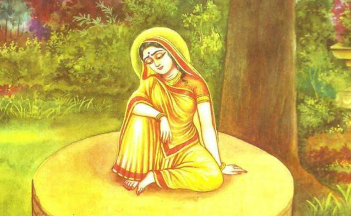
Sita Ji
Shri Sita Ji Ki Aarti is a devotional hymn dedicated to Goddess Sita, the embodiment of purity, devotion, strength, and grace. Maa Sita, the divine consort of Lord Rama, represents ideal womanhood, sacrifice, patience, and unwavering faith.
The aarti celebrating “Sita Virajit Mithila Dham” is sung with devotion in temples and homes, especially during festivals like Ram Navami and Sita Navami. Chanting this aarti brings peace, harmony, and blessings of purity and strength.
Shri Sita Ji Ki Aarti (Hinglish)
Sita Virajit Mithila Dham, Sab Mil Kar Karen Aarti
Sang Sushobhit Lachuman Ram, Sab Mil Kar Karen Aarti ॥
Vipda Vinashini Sukhda Charachar
Sita Dhiya Bani Aayin Sunaina Ghar
Mithila Ke Mahima Mahan, Sab Mil Kar Karen Aarti ॥
Sita Sarveshwari Mamta Sarovar
Bayan Kamal Kar, Dayan Abhay Var
Saumya Sakal Gundham, Sab Mil Kar Karen Aarti ॥
Rampriya Sarvamangaldayini
Sita Sakal Jagati Dukhharini
Karen Sabka Kalyan, Sab Mil Kar Karen Aarti ॥
Sita Ram Ki Jodi Atibhavan
Naihar Sasur Kiya Pavan
Sevak Hain Hanuman, Sab Mil Kar Karen Aarti ॥
Mamtamayi Mata Sita Punita
Santan Hetu Sita Sada Sunita
Dharani Suta Sab Tham, Sab Mil Kar Karen Aarti ॥
Shukla Navami Tithi Vaishakh Mase
Chandramani Sita Utsav Hulase
Pay Sakal Sukhdham, Sab Mil Kar Karen Aarti ॥
Sita Virajit Mithila Dham, Sab Mil Kar Karen Aarti ॥
Who is Goddess Sita?
Sita is the divine consort of Rama and is a central figure in the epic Ramayana. She is known as the daughter of the Earth (Dharani Suta) and symbolizes purity, devotion, patience, and strength.
Maa Sita represents ideal values and inspires devotees through her life of sacrifice and unwavering faith.
Importance of Sita Ji Ki Aarti
Aarti is a sacred ritual of offering light and devotion. Shri Sita Ji Ki Aarti is performed to:
- Seek peace and harmony in life
- Strengthen family relationships
- Gain patience and emotional strength
- Receive blessings for happiness and well-being
The aarti creates a calm and devotional atmosphere.
Meaning of the Aarti
This aarti beautifully describes the divine qualities of Maa Sita:
- She removes troubles and brings happiness
- She is the symbol of love, compassion, and purity
- She blesses devotees with peace and prosperity
- She is the ideal partner of Lord Rama
- She represents strength even in difficult situations
The aarti highlights her nurturing and protective nature.
Spiritual Significance
Shri Sita Ji Ki Aarti teaches:
- Patience and strength
- Devotion and faith
- Purity of heart
- Balance in relationships
Chanting it regularly brings emotional stability and inner peace.
When and How to Perform
This aarti is commonly performed:
- During Ram Navami and Sita Navami
- In daily prayers
- During family gatherings
- On special occasions
Simple Steps:
- Light a diya
- Offer flowers and prasad
- Light incense
- Sing the aarti
- Pray with devotion
Benefits of Chanting
Regular chanting of Sita Ji Ki Aarti:
- Brings peace and harmony
- Strengthens family bonds
- Removes negativity
- Improves emotional balance
- Attracts blessings and happiness
Experience Devotion in a New Way
In today’s digital world, spirituality is becoming more immersive. With platforms like Durlabh Darshan, devotees can experience temple darshan, aarti, and divine stories in immersive 3D VR from their homes, making devotion more accessible and engaging.
For More Information Visit :
Cultural Importance
Sita Ji Ki Aarti is deeply rooted in Indian traditions and is sung with devotion during festivals and religious gatherings. It reflects values of family, love, and righteousness.
Conclusion
Shri Sita Ji Ki Aarti is a beautiful expression of devotion, purity, and strength. It reminds us to stay patient, faithful, and compassionate.
By chanting this aarti with sincerity, one can experience peace, happiness, and divine blessings.
Jai Sita Mata…
May Maa Sita bless you with peace, strength, and harmony.
Follow our social media handles for more such content