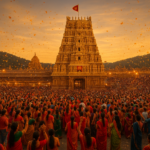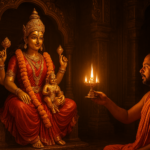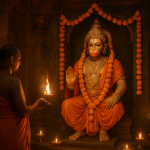


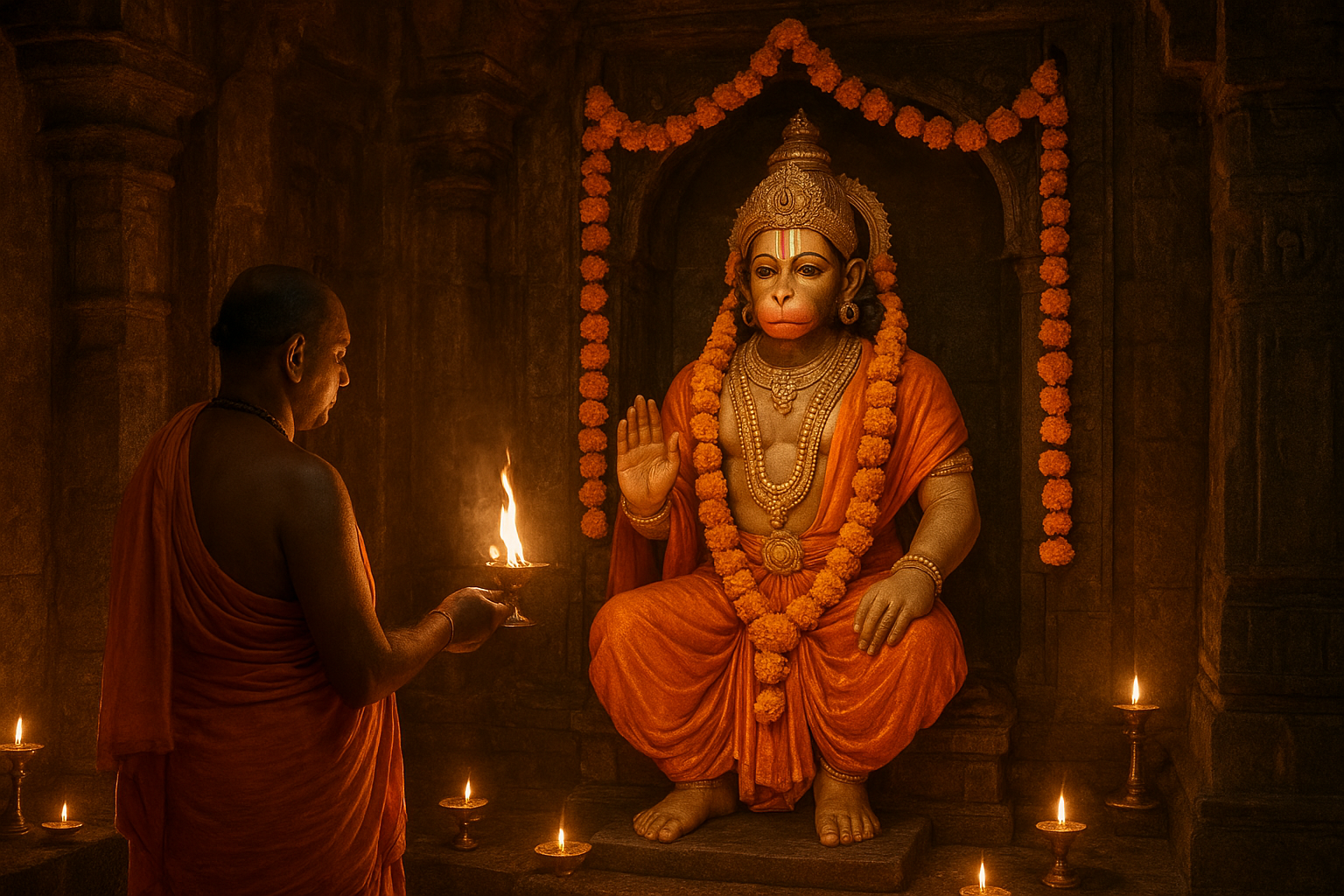
Moola Nakshatram puja is an important Hindu tradition especially dedicated to deities. According to a report by The New Indian Express dated 16 October 2026, Andhra Pradesh Chief Minister N. Chandrababu Naidu will offer silk robes at the temple on the auspicious occasion of Moola Nakshatram.
Religious Significance of Moola Nakshatram
Moola Nakshatram is one of the twenty-seven nakshatras and holds special religious significance. In Hindu astrology, this nakshatra is governed by Goddess Nirriti. According to tradition, special pujas and rituals are performed in temples on this day.
This nakshatra is located in Dhanu rashi (Sagittarius) and is believed to be connected with the mooladhara or roots. Devotees believe that prayers and donations made on this day yield special blessings.
The Tradition of Offering Silk Robes During Moola Nakshatram Puja
Offering silk garments to deities during Moola Nakshatram puja is an age-old tradition. This ritual is observed with great reverence, particularly in South Indian temples. Silk robes are considered symbols of devotion and surrender.
When the Chief Minister or other prominent persons offer robes, it is not merely a personal tribute but becomes a medium to express gratitude to the Lord on behalf of the entire state. This tradition also helps preserve spiritual values in society.
Special Rituals on Moola Nakshatram Day
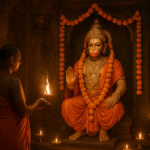
Many special rituals take place in temples on Moola Nakshatram puja day. Devotees wake up early, bathe, and visit the temple. On this day, flowers, fruits, incense, lamps, and naivedya (food offerings) are offered to the deities.
According to tradition, donations and virtuous acts performed on this nakshatra yield manifold results. Many devotees also observe fasting on this day and eat only after the evening puja.
Special aarti (the ritual of light) and bhajan-kirtan programmes are organised in temples. Devotees chant the Lord’s name and pray for the well-being of their families.
The Significance of Moola Nakshatram in South Indian Temples
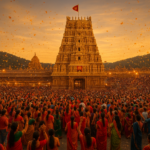
Grand celebrations are organised on Moola Nakshatram day in the famous temples of South India. Thousands of devotees arrive for darshan (sacred viewing) on this day at temples in Andhra Pradesh, Tamil Nadu, Karnataka, and Kerala.
Temple administrations make special arrangements on this day. The deity’s murti is adorned with new garments and jewellery. Special attention is also given to prasad (sanctified food) distribution.
Many temples have the tradition of special abhishekam (sacred bathing ceremony) and alankaram (decoration) on this day. Devotees stand in queues to have darshan and receive the Lord’s blessings.
Benefits of Moola Nakshatram Puja
Devotees receive spiritual and mental peace by performing Moola Nakshatram puja. According to tradition, worship performed on this day brings stability to life and removes obstacles.
Devotees who worship regularly on this nakshatra attain success in life through the Lord’s grace. This puja is also believed to bring family happiness, peace, and prosperity.
Especially for those who have Moola Nakshatram in their birth chart, worship on this day is considered even more beneficial.
How You Can Perform Moola Nakshatram Puja
If you wish to perform Moola Nakshatram puja, first consult the panchang (Hindu calendar) for the correct date and time. On this day, after the morning bath, wear clean clothes.
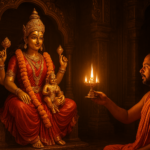
Clean the puja place at home and light a lamp before the deity’s murti or picture. Perform puja with flowers, akshat (unbroken rice), sandalwood, incense, and naivedya. If possible, definitely visit the temple for darshan.
Chant the Lord’s mantras during Moola Nakshatram puja. Donate according to your capacity. Feeding the poor on this day is considered especially meritorious.
Frequently Asked Questions (FAQ)
Question: How many times does Moola Nakshatram occur in a year?
Answer: Moola Nakshatram occurs once every month according to the lunar month. Its exact date can be seen in the Hindu panchang.
Question: At what time should Moola Nakshatram puja be performed?
Answer: According to tradition, Moola Nakshatram puja should be performed in the morning or at the time when the nakshatra begins. It is best to consult a pandit ji for the auspicious muhurat and perform the puja.
Question: Which deity should be worshipped on Moola Nakshatram?
Answer: On Moola Nakshatram, Goddess Nirriti is primarily worshipped. Along with this, worship of one’s ishta deva (personal deity) can also be performed.
Question: Can Moola Nakshatram puja be performed at home?
Answer: Yes, Moola Nakshatram puja can be performed at home. If visiting the temple is not possible, perform the puja at home with devotion and meditate on the Lord.
Question: What should be donated on Moola Nakshatram puja day?
Answer: On this day, donating clothes, grains, dakshina (offerings), or food according to one’s capacity is considered auspicious. Helping the poor and needy brings special merit.
Experience Divine Darshan with Durlabh Darshan
If you are unable to visit temples or live far away, you can experience divine darshan from home through the Durlabh Darshan app. This AR/VR technology provides you with an authentic darshan experience of renowned temples. Certainly, physical pilgrimage has its own importance, but when that is not possible, Durlabh Darshan can help keep your devotion alive. Download the app and continue your spiritual journey.
For More Information Visit :
Follow our social media handles for more such content