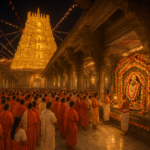


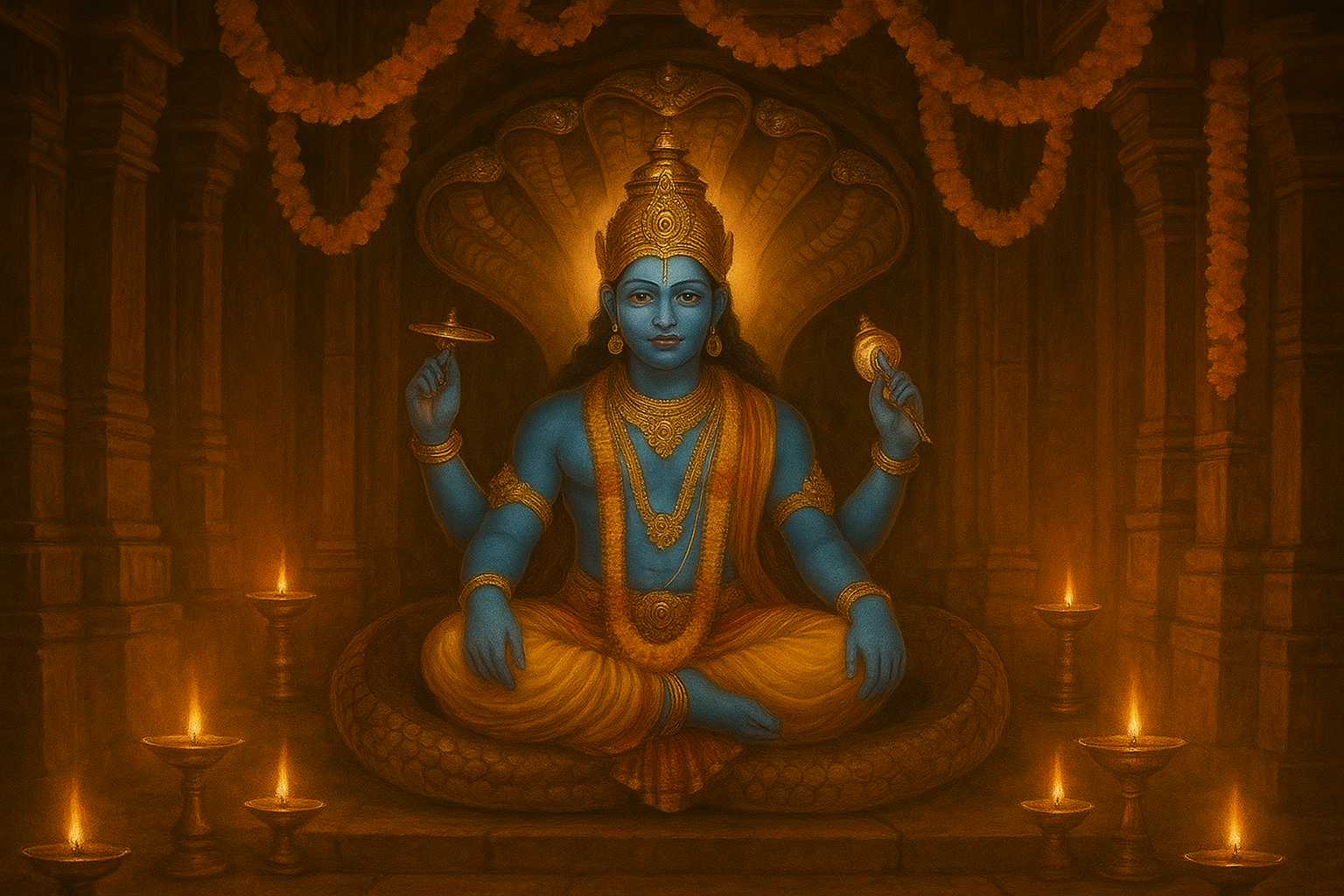
Parivartini Ekadashi is observed on the Ekadashi tithi (eleventh lunar day) of Shukla Paksha (the bright fortnight) in the month of Bhadrapada. It is a special day dedicated to the worship of Lord Vishnu. This Ekadashi marks the conclusion of Chaturmas and symbolizes the transition as the Lord shifts in His divine slumber towards awakening.
Significance of Parivartini Ekadashi
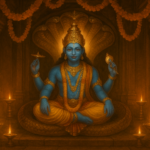
The name Parivartini Ekadashi is derived from the word ‘parivartana’, meaning change or transformation. According to Hindu tradition, on this day Lord Vishnu changes His reclining posture while in yogic slumber. During Chaturmas, Shri Hari rests in the cosmic ocean of milk, and this Ekadashi is believed to be the sacred day when He turns over in His sleep.
Devotees observe a fast on this day and perform special worship of Lord Vishnu. It is believed that keeping the Parivartini Ekadashi vrat destroys sins and grants moksha (liberation). This vrat is considered to bring positive transformation into one’s life.
Parivartini Ekadashi Vrat Vidhi
Preparation for the vrat begins on Dashami tithi. Devotees consume sattvic food and take a resolve to maintain mental purity.
On Ekadashi day, take a bath early in the morning and wear clean clothes. Clean the puja space in your home and install a murti (sacred image) or picture of Lord Vishnu. Worship Shri Hari with tulsi (holy basil) leaves, yellow flowers, incense, lamps and naivedya (food offerings).
On the day of the vrat, grains are avoided. One may observe the fast by consuming fruits or observe a nirjala vrat (waterless fast). Chant the name of Lord Vishnu and perform His aarti (the ritual of light). Spending the entire day in bhajans (devotional songs) and kirtan is considered auspicious.
On Dwadashi tithi, complete the paran (breaking of the fast) by feeding Brahmins and giving charity. The proper time for paran is after sunrise on Dwadashi tithi.
Parivartini Ekadashi Story and Puranic Belief
The glory of Parivartini Ekadashi is described in the Puranas. According to tradition, this Ekadashi vrat brings spiritual transformation in the lives of devotees and grants the grace of the Lord.
During Chaturmas, Devadhideva Shri Hari rests in yoganidra (divine sleep). On Parivartini Ekadashi, He turns over, which signals His movement towards awakening. This time is considered especially sacred for devotees.
It is believed that devotees who observe the Parivartini Ekadashi vrat with faith and discipline have all their desires fulfilled and receive happiness and prosperity in life.
Connection Between Chaturmas and Parivartini Ekadashi
Chaturmas, which begins on Ashadha Shukla Ekadashi, is a sacred period of four months. During this time, Lord Vishnu rests in divine slumber and devotees follow special observances and self-discipline.
Parivartini Ekadashi falls in the final phase of Chaturmas. This is a transitional period before the Lord’s complete awakening on Devotthan Ekadashi. This Ekadashi of Bhadrapada month gives devotees a special opportunity to remain close to the Lord.
During this period, tulsi puja, sattvic diet and regular bhajan-puja hold special importance. Devotees use this time for spiritual practice.
Benefits of Parivartini Ekadashi Vrat
According to tradition, the Parivartini Ekadashi vrat is considered extremely fruitful. This vrat purifies the mind and brings spiritual progress.
Observing the fast destroys sins and sufferings, and infuses positive energy into one’s life. By the grace of Lord Vishnu, devotees receive mental peace and happiness.
This Ekadashi is believed to help bring necessary changes in life. Devotees take resolves on this day and make efforts to give their lives the right direction.
Special Worship on Parivartini Ekadashi
On this sacred day, special worship is performed for Tulsi Maa along with Lord Vishnu. Tulsi is considered dear to Vishnu, and worship of Vishnu is incomplete without worshipping her.
Yellow clothes, yellow flowers and yellow-colored naivedya are especially dear to Lord Vishnu. Offering saffron, bananas and other yellow fruits is considered auspicious.
Light ghee lamps in the evening and perform the Lord’s aarti. Reciting Vishnu Sahasranama or Vishnu stotra is extremely beneficial.
Frequently Asked Questions
When does Parivartini Ekadashi occur?
Parivartini Ekadashi is observed on the Ekadashi tithi of Shukla Paksha in the month of Bhadrapada. It falls in September or October.
What should one eat during Parivartini Ekadashi vrat?
During the vrat, grains should be avoided. You may consume fruits, milk, curd and sabudana (tapioca pearls). Some devotees also observe nirjala vrat. Salt, onion and garlic should not be used during the fast.
When should one break the Parivartini Ekadashi fast?
Parivartini Ekadashi paran should be done on Dwadashi tithi after sunrise and before Dwadashi ends. Consult a panchang (Hindu almanac) for the correct paran muhurt (auspicious timing).
What is special about Parivartini Ekadashi?
Parivartini Ekadashi falls during Chaturmas when Lord Vishnu turns over in His reclining posture. This Ekadashi is believed to bring positive transformation in life, and observing its vrat destroys sins and grants moksha.
Which mantra should be chanted on Parivartini Ekadashi?
Chanting “Om Namo Bhagavate Vasudevaya” on Parivartini Ekadashi is auspicious. Additionally, you may chant “Om Vishnave Namah” and recite Vishnu stotra.
Experience Divine Darshan with Durlabh Darshan
If you are unable to visit a temple for darshan (sacred viewing), the Durlabh Darshan app brings the experience of the Lord’s darshan to your home. Through AR/VR technology, you can have darshan of famous Vishnu temples on sacred days like Parivartini Ekadashi. This app is not a replacement for physical pilgrimage but a supportive tool that helps maintain devotional connection. Download the Durlabh Darshan app today and experience divine darshan.
For More Information Visit :
Follow our social media handles for more such content