

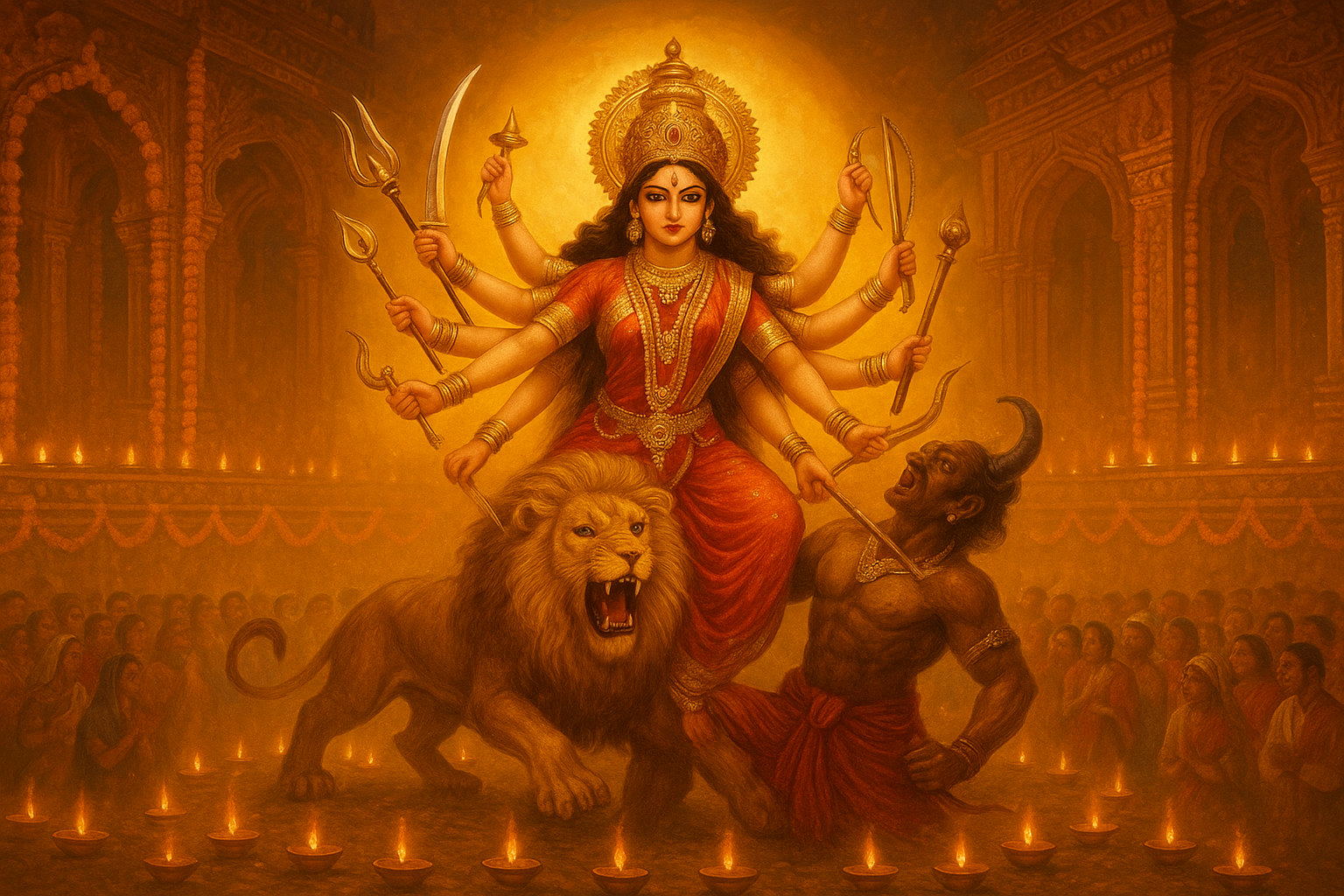
Dussehra is being celebrated across India in October 2026 with great enthusiasm, symbolising the triumph of good over evil. This sacred festival honours both Lord Shri Ram’s victory over Ravana and Maa Durga’s victory over Mahishasura. Traditional celebrations in various states showcase the rich Hindu devotional significance of this auspicious day.
Religious Significance of Dussehra
The name Dussehra comes from the Sanskrit words ‘dasha’ and ‘hara’, meaning the destruction of ten heads. This refers to Ravana’s ten heads, which represent ten different forms of sin. Lord Shri Ram slayed Ravana in Lanka, establishing dharma (righteousness).
According to tradition, after Mata Sita’s abduction, Lord Shri Ram marched on Lanka with the army of vanaras (monkeys). After nine days of battle, Ravana was slain on the tenth day, known as Dashami. This is why the festival is also known as Vijayadashami, the victory of the tenth day.
Sacred Connection with Maa Durga
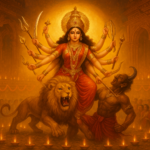
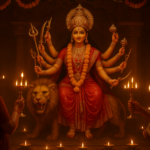
Dussehra is celebrated at the end of the nine days of Navaratri. For nine days, devotees worship the nine forms of Maa Durga. According to tradition, Maa Durga battled the demon Mahishasura for nine days and nine nights, defeating him on the tenth day.
Thus, Dussehra celebrates two great victories together. In North India, the story of Shri Ram’s victory is more prevalent, while in Eastern and North-Eastern India, Maa Durga’s victory holds greater significance.
Celebrations Across Different Indian States
In October 2026, different traditions of Dussehra are being observed across various states.
North India: In Delhi, Uttar Pradesh, Haryana and Punjab, enormous effigies of Ravana, Meghnad and Kumbhakarna are burnt. Ramlila performances are organised during Navaratri and conclude on Dussehra with the burning of Ravana.
West Bengal: Grand Durga Puja celebrations take place here. On Vijayadashami, the immersion of Maa Durga’s idols is performed. Devotees bid farewell to Maa, seeking her blessings to return the following year.
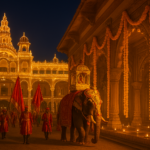
Karnataka: In Mysuru, the Dussehra festival continues for ten days. Mysuru Palace is decorated with lights and grand processions are taken out.
Gujarat: Celebrations here include Garba and Dandiya Raas. Devotees dance through the night in worship of Maa Durga.
Traditions Observed on Dussehra
On Dussehra, devotees rise early, bathe and wear new clothes. The Shami tree is worshipped because, according to tradition, the Pandavas hid their weapons on a Shami tree during their exile.
Beginning new endeavours on this day is considered auspicious. Students commence their education, merchants launch new businesses. This day symbolises victory and success.
Spiritual Message
Dussehra is not merely a celebration of victory over external enemies. It inspires us to resolve to conquer the evils within ourselves – desire, anger, greed, attachment, and ego. Ravana’s ten heads symbolise our ten different weaknesses.
Lord Shri Ram’s life shows us the path of dharma, truth and duty. Maa Durga’s shakti (divine power) inspires us to fight life’s difficulties. Dussehra reminds us that with patience, courage and faith, every evil can be defeated.
Frequently Asked Questions
Why is Dussehra celebrated?
Dussehra is celebrated to mark Lord Shri Ram’s victory over Ravana and Maa Durga’s victory over Mahishasura. It symbolises the triumph of good over evil.
What is the difference between Dussehra and Vijayadashami?
Dussehra and Vijayadashami are two names for the same festival. Vijayadashami means victory on the tenth day, while Dussehra means the destruction of ten heads.
Why is the Shami tree worshipped on Dussehra?
According to tradition, the Pandavas hid their weapons on a Shami tree during their exile. After achieving victory, they worshipped the Shami tree, and this tradition continues today.
Which activities are considered auspicious on Dussehra?
Starting new work, beginning education, launching new businesses and performing shastra pujan (worship of weapons) are considered auspicious on Dussehra.
What is the significance of burning Ravana’s effigy?
The burning of Ravana’s effigy symbolises the destruction of evil. It reminds us that no matter how powerful evil may be, ultimately dharma and truth prevail.
Experience Divine Darshan with Durlabh Darshan
If you are unable to visit a temple for darshan (sacred viewing) on the sacred occasion of Dussehra, you can experience divine darshan from home through the Durlabh Darshan app. This app uses AR/VR technology to bring you the temple darshan experience. Physical pilgrimage has its own significance, but when travel is not possible, this app helps bring your faith to your home. For more information, visit https://durlabhdarshan.com.
For More Information Visit :
Follow our social media handles for more such content