

Jyestha Abhishek and Snana Yatra of Lord Jagannath 2026
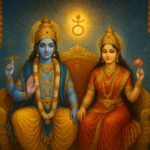
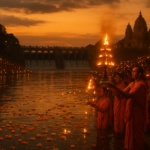
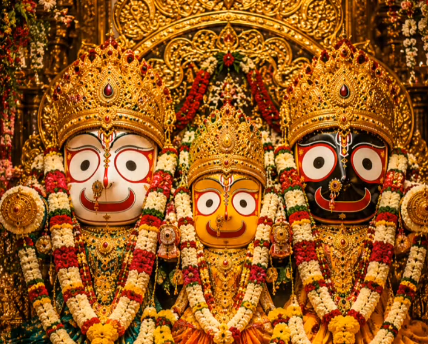
Among the countless festivals celebrated in Sanatan Dharma, Jyestha Abhishek, popularly known as Jagannath Snana Yatra, holds a unique place in the hearts of devotees. Every year, this sacred ceremony marks the ceremonial bathing of Lord Jagannath, Lord Balabhadra, and Devi Subhadra with 108 sacred pots of holy water. The festival is celebrated on the full moon day (Purnima) of the Hindu month of Jyestha, just before the famous Jagannath Rath Yatra.
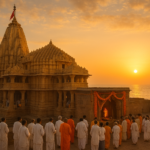
For devotees, this is one of the rare occasions when the deities come out of the sanctum sanctorum and grant public darshan. Lakhs of pilgrims gather in Puri, Odisha, to witness this grand ritual filled with devotion, Vedic chants, and divine celebrations.
Jyestha Abhishek 2026 Date
In 2026, Jyestha Abhishek (Jagannath Snana Yatra) will be celebrated on Tuesday, 30 June 2026.
The festival is observed on the full moon (Purnima) of the month of Jyestha according to the Hindu calendar.
What is Jyestha Abhishek?
The word Jyestha refers to the third month of the Hindu calendar, while Abhishek means ceremonial bathing.
On this auspicious day, Lord Jagannath, Lord Balabhadra, and Devi Subhadra are ceremonially bathed with 108 sacred Kalashas filled with water collected from the sacred Golden Well (Suna Kua) located inside the Jagannath Temple complex.
This divine bathing ceremony symbolizes purification, renewal, and the Lord’s compassion for all devotees.
Historical Background
The tradition of Jyestha Abhishek has been followed for centuries in the Jagannath Temple of Puri.
Ancient scriptures describe this ceremony as one of the most important annual rituals performed for Lord Jagannath.
The Skanda Purana and other Vaishnava texts mention that witnessing this sacred bathing ceremony grants immense spiritual merit equivalent to visiting many holy pilgrimage sites.
Over the centuries, the festival has become one of Odisha’s largest religious celebrations, attracting devotees from India and across the world.
Why is Snana Yatra Celebrated?
According to tradition, every deity undergoes ceremonial purification once a year.
Lord Jagannath, who lovingly accepts the devotion of millions of devotees throughout the year, is ceremonially bathed to symbolize purity, compassion, and divine blessings.
The bathing ritual also signifies the Lord’s willingness to come outside the temple so that every devotee—regardless of caste, community, or background—can receive His blessings.
The Story Behind Snana Yatra
According to temple traditions, King Indradyumna, who established the worship of Lord Jagannath, desired that devotees should have at least one opportunity every year to witness the Lord outside the sanctum.
The divine bathing festival was instituted to fulfill this wish.
Another belief states that after receiving the ceremonial bath with 108 pitchers of cold water during the hot summer season, Lord Jagannath catches a symbolic fever.
This unique belief leads to one of the most fascinating traditions associated with Jagannath worship.
Anavasara – The Lord’s Rest Period
Following the Snana Yatra, Lord Jagannath is believed to become unwell.
The deities are taken into a private chamber known as Anavasara Griha.
For approximately fifteen days:
- Public darshan remains closed.
- Temple physicians perform traditional Ayurvedic treatment.
- Herbal medicines are offered.
- The deities are given special preparations.
- Devotees eagerly await the Lord’s recovery.
This period beautifully reflects the human-like relationship devotees share with Lord Jagannath.

Nabayouvana Darshan
After recovering from the symbolic illness, Lord Jagannath reappears before devotees in youthful form.
This first appearance is called Nabayouvana Darshan.
Lakhs of devotees travel to Puri specifically to witness this rare darshan before the famous Rath Yatra begins.
Rituals of Jyestha Abhishek
Collection of Sacred Water
Water is collected from the sacred Golden Well inside the Jagannath Temple.
Only specially designated temple servitors are permitted to draw the water.
Preparation of 108 Kalashas
The holy water is placed in 108 sanctified pots.
Each pot is purified through Vedic rituals and mantras.
Procession to Snana Mandap
Lord Jagannath, Lord Balabhadra, Devi Subhadra, and Sudarshan Chakra are brought to the Snana Mandap in a grand ceremonial procession accompanied by:
- Conch shells
- Temple drums
- Traditional Odissi music
- Vedic chanting
- Devotional singing
The Sacred Bath
Each deity is ceremonially bathed using the holy water while priests chant sacred hymns from the Vedas.
The entire atmosphere becomes filled with devotion and spiritual energy.
Hati Besha (Elephant Attire)
One of the most unique traditions is the Hati Besha.
After the bathing ceremony, Lord Jagannath and Lord Balabhadra are decorated in the appearance of elephants.
This form is associated with Lord Ganesha and symbolizes wisdom, prosperity, and auspicious beginnings.
Thousands of devotees wait throughout the year to witness this special attire.
Spiritual Significance
Jyestha Abhishek teaches several timeless spiritual lessons.
Humility
Even the Supreme Lord participates in rituals of purification, inspiring devotees to practice humility.
Equality
The Lord comes outside the temple to bless everyone equally.
Compassion
The symbolic illness reminds devotees that God lovingly shares human emotions and experiences.
Faith
The festival strengthens the devotee’s personal relationship with Lord Jagannath.
Importance in Jagannath Culture
Snana Yatra marks the beginning of a series of important Jagannath festivals.
The sequence includes:
- Jyestha Abhishek
- Anavasara
- Nabayouvana Darshan
- Rath Yatra
- Bahuda Yatra
- Suna Besha
Each festival carries profound theological and cultural significance.
Celebration Across India
Although the grandest celebration takes place in Puri, Jagannath temples across India also celebrate Snana Yatra.
Major celebrations occur in:
- Delhi
- Ahmedabad
- Hyderabad
- Bengaluru
- Mumbai
- Chennai
- ISKCON temples worldwide
Thousands of devotees participate through bhajans, kirtans, cultural programs, and community feasts.
Devotional Practices
Devotees observe the day by:
- Taking an early morning bath.
- Chanting the Hare Krishna Mahamantra.
- Reading Jagannath Mahatmya.
- Offering fruits and sweets.
- Participating in temple processions.
- Serving devotees through charity.
Spiritual Benefits
According to tradition, witnessing Jyestha Abhishek is believed to:
- Remove accumulated sins.
- Grant peace of mind.
- Strengthen devotion toward Lord Jagannath.
- Bring prosperity and happiness.
- Bless families with harmony.
- Inspire spiritual progress.
Jagannath and Universal Brotherhood
Lord Jagannath is often called the Lord of the Universe.
Unlike many traditions, Jagannath worship emphasizes equality and inclusiveness.
People from diverse backgrounds gather together during Snana Yatra to celebrate divine love beyond social distinctions.
Relevance in Modern Times
Even today, Jyestha Abhishek continues to inspire millions.
In today’s busy world, the festival reminds us to:
- Slow down.
- Practice gratitude.
- Strengthen family values.
- Reconnect with spirituality.
- Celebrate compassion and service.
Experience Jagannath Darshan Through Technology
Today, modern technology has made spiritual experiences more accessible.
Virtual Reality platforms such as Durlabh Darshan allow devotees to experience immersive 360° temple darshan, sacred rituals, and devotional experiences from India’s most revered temples, helping devotees stay connected with their faith even when they cannot travel.
Jyestha Abhishek (Jagannath Snana Yatra) is much more than a ceremonial bath—it is a celebration of devotion, humility, compassion, and divine love.
The festival beautifully demonstrates the intimate relationship between Lord Jagannath and His devotees. From the sacred bathing ceremony to Anavasara, from Nabayouvana Darshan to the magnificent Rath Yatra, every ritual reflects profound spiritual wisdom that has inspired millions for centuries.
May Lord Jagannath bless every devotee with peace, happiness, prosperity, and unwavering devotion.
Jai Jagannath!
For More Information Visit :
https://durlabhdarshan.com
Follow our social media handles for more such content