

Rudraksha Origin
Rudraksha Origin: The Shiva Tears Story & Its Symbolism
The story of Rudraksha is one of the most evocative and spiritually rich narratives in Hindu tradition. These small, textured beads—often seen adorning sages, yogis, and devotees—are not merely botanical seeds; they are believed to carry divine energy, ancient symbolism, and profound metaphysical significance. At the heart of their origin lies a powerful myth: the tears of Lord Shiva. This story is not just a tale of divine emotion, but a window into deeper philosophical truths about compassion, detachment, and the path to liberation.
The Meaning of Rudraksha
Before diving into the origin story, it’s important to understand what the word “Rudraksha” itself means. It is derived from two Sanskrit words: Rudra and Aksha.
- Rudra is one of the names of Lord Shiva, often associated with his fierce yet compassionate aspect.
- Aksha means “eyes” or “tears.”
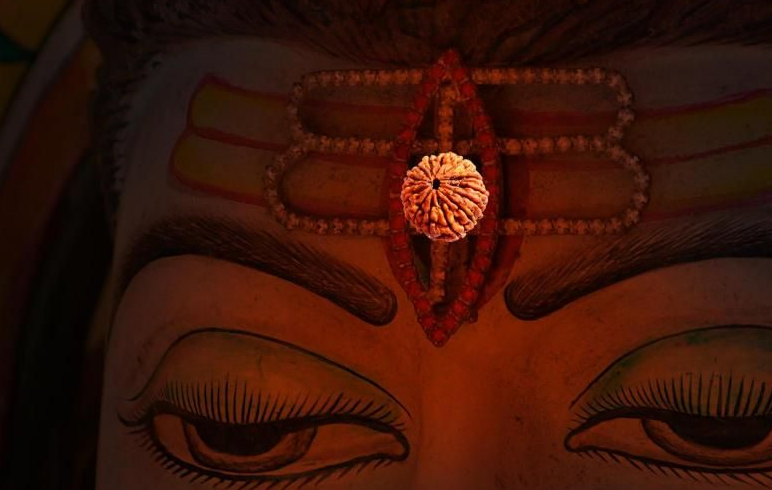
Thus, Rudraksha translates to “the tears of Rudra” or “the eyes of Shiva.” This linguistic root already hints at a deeply emotional and sacred origin.
The Mythological Origin: Shiva’s Tears
According to ancient scriptures like the Shiva Purana and various oral traditions, the origin of Rudraksha beads is tied to a moment of intense compassion and meditation by Lord Shiva.
The Story
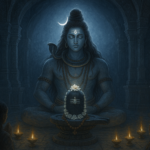
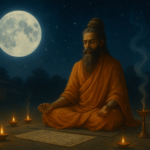
It is said that Lord Shiva once entered a deep state of meditation for the welfare of all beings. This was not an ordinary meditation—it lasted for thousands of years. During this time, Shiva contemplated the suffering of humanity and all living creatures. He observed the cycles of birth and death, the endless desires, the pain, ignorance, and attachment that bound souls to the material world.
When he finally opened his eyes, he was overwhelmed with compassion. Tears rolled down from his eyes and fell onto the Earth. These tears did not vanish; instead, they crystallized into seeds. Over time, these seeds grew into trees known as Rudraksha trees (Elaeocarpus ganitrus).
The fruits of these trees, when dried, became the Rudraksha beads that are revered today.
Symbolism of Shiva’s Tears
The idea of a god crying is powerful in itself. Shiva, often depicted as detached and ascetic, shedding tears signifies something deeply meaningful.
- Compassion for Humanity
The tears represent divine compassion. Shiva’s sorrow was not personal—it was for the suffering of others. This makes Rudraksha a symbol of empathy and universal love.
Wearing Rudraksha is believed to align the wearer with this compassion, encouraging a more understanding and kind approach to life.
⸻
- Transformation of Pain into Power
Tears usually symbolize pain, grief, or emotional release. But in this story, those tears transform into something sacred and powerful.
This reflects a deeper philosophical idea:
Pain, when understood and transcended, becomes a source of strength and wisdom.
Rudraksha embodies this transformation—from sorrow to spiritual power.
⸻
- The Bridge Between Divine and Human
Rudraksha beads serve as a tangible connection between humans and the divine. Since they are believed to originate from Shiva himself, they act as a spiritual bridge.
Devotees often use Rudraksha malas (rosaries) for meditation and chanting, believing that they enhance focus and bring them closer to higher consciousness.

⸻
The Botanical Reality
While the mythological origin is deeply spiritual, Rudraksha also has a scientific and botanical identity.
Rudraksha beads come from the fruit of the Elaeocarpus ganitrus tree, which grows mainly in regions like:
- Nepal
- India (especially the Himalayan region)
- Indonesia
The tree produces blue-colored fruits, and inside each fruit is a seed—the Rudraksha bead.
These beads have natural grooves or “mukhis” (faces), which are used to classify them.
⸻
Types of Rudraksha and Their Symbolism
Rudraksha beads are categorized based on the number of lines or faces they have, known as mukhis. Each type is believed to have specific spiritual and energetic properties.
1 Mukhi Rudraksha
Represents pure consciousness and unity. Associated directly with Shiva. Believed to bring enlightenment and detachment.
2 Mukhi Rudraksha
Symbolizes Ardhanarishvara (the union of Shiva and Shakti). Represents balance and harmony in relationships.
3 Mukhi Rudraksha
Associated with fire and transformation. Believed to burn past karma and promote inner purification.
5 Mukhi Rudraksha (Most Common)
Represents the five elements (earth, water, fire, air, space). Widely used for general well-being and spiritual growth.
7 Mukhi Rudraksha
Linked to prosperity and abundance. Often associated with wealth and financial stability.
11 Mukhi Rudraksha
Represents the eleven forms of Rudra. Believed to enhance courage, confidence, and spiritual power.
⸻
Spiritual Significance in Daily Life
Rudraksha is not just a ritualistic object; it plays an active role in spiritual practices.
Meditation and Focus
Rudraksha malas are commonly used for japa (chanting mantras). The tactile sensation of the beads helps maintain concentration, while their supposed energy enhances the meditative state.
⸻
Protection from Negative Energies
Many believe that Rudraksha acts as a protective shield against negative influences, whether emotional, psychological, or spiritual.
It is said to stabilize the aura and promote a sense of calm and security.
⸻
Health Benefits (Traditional Beliefs)
In traditional Ayurvedic and yogic systems, Rudraksha is believed to have several health benefits:
- Regulating blood pressure
- Reducing stress and anxiety
- Improving mental clarity
While modern science has limited evidence on these claims, many users report subjective benefits.
⸻
The Psychological Perspective
Even beyond religious belief, Rudraksha can be understood through a psychological lens.
Symbol of Mindfulness
Wearing or using Rudraksha can act as a constant reminder of one’s spiritual goals. It reinforces discipline, awareness, and intentional living.
⸻
Emotional Anchoring
Just like a wedding ring or a meaningful token, Rudraksha can serve as an emotional anchor—providing comfort and stability during challenging times.
⸻
Rituals and Practices
How to Wear Rudraksha
Traditionally, Rudraksha beads are worn:
- Around the neck
- As bracelets
- As malas for chanting
They are often sanctified through rituals before being worn.
⸻
Rules and Beliefs
Some traditions suggest certain guidelines:
- Wear with respect and cleanliness
- Avoid wearing during certain activities (varies by belief system)
- Chant mantras while wearing
However, interpretations vary widely, and many modern practitioners adopt a more flexible approach.
⸻
Cultural and Historical Importance
Rudraksha has been mentioned in various ancient texts and has been used for centuries by:
- Yogis and ascetics
- Spiritual seekers
- Kings and warriors
Its presence across different eras highlights its enduring significance.
The Deeper Philosophy
At its core, the story of Rudraksha is not just about beads or rituals—it’s about consciousness.
Detachment with Compassion
Shiva represents ultimate detachment, yet he cries for the world. This paradox teaches a powerful lesson:
True spirituality is not about escaping the world, but understanding it deeply while remaining compassionate.
The Cycle of Suffering and Liberation
The tears symbolize awareness of suffering, while the Rudraksha represents the path to transcend it.
This aligns with broader Indian philosophical ideas about:
- Karma
- Moksha (liberation)
- Self-realization
Modern Relevance
In today’s fast-paced world, the symbolism of Rudraksha remains surprisingly relevant.
Stress and Anxiety
With increasing mental health challenges, tools that promote calmness and mindfulness are more valuable than ever. Rudraksha, whether through belief or placebo, can contribute to emotional balance.
Spiritual Curiosity
Many young people are exploring spirituality beyond rigid religious frameworks. Rudraksha offers a blend of tradition and personal meaning.
Identity and Expression
For some, wearing Rudraksha is also a cultural or spiritual identity statement—a way to stay connected to heritage.
Misconceptions and Cautions
While Rudraksha is widely revered, it’s important to approach it with clarity.
Not a Magic Solution
Rudraksha is often marketed as a cure-all for problems. This is misleading. It should be seen as a supportive tool, not a substitute for effort or professional help.
Authenticity Issues
Due to high demand, fake Rudraksha beads are common in the market. Genuine beads have specific characteristics and should be sourced carefully
The story of Rudraksha is a beautiful blend of mythology, symbolism, and spiritual philosophy. The image of Lord Shiva shedding tears for the suffering of the world is both humbling and inspiring. It reminds us that even the highest consciousness is rooted in compassion.
Rudraksha beads, born from those divine tears, carry a message that transcends time:
- Transform pain into strength
- Stay connected to higher awareness
- Live with compassion and balance
Whether one views Rudraksha through a religious, cultural, or psychological lens, its essence remains powerful. It is not just a bead—it is a reminder of the deeper truths of existence.
In a world often driven by chaos and desire, the quiet presence of Rudraksha invites us to pause, reflect, and reconnect—with ourselves and with something greater.
The true power of Rudraksha does not lie in the bead itself, but in the intention and awareness of the one who wears it.
For More Information Visit :
Follow our social media handles for more such content