

Shri Vishnu Chalisa
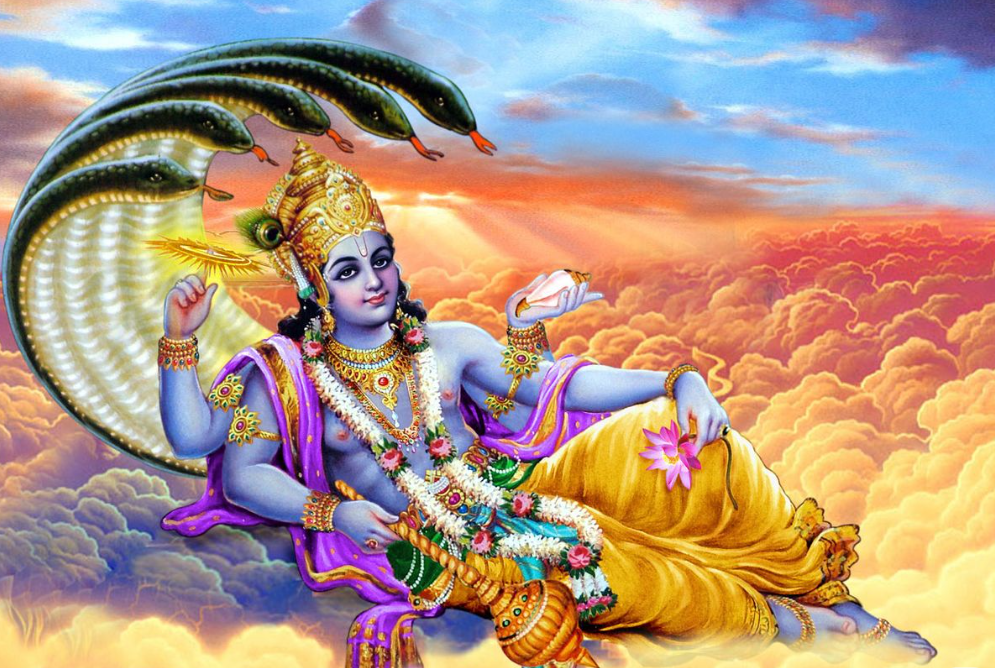
Lord Vishnu is worshipped as the preserver and protector of the universe. In Hindu tradition, he is the divine force that sustains cosmic balance, protects righteousness, removes suffering, and rescues devotees in times of need. Whenever adharma increases and the world is troubled by evil, Lord Vishnu takes different forms to restore order and protect the righteous. The Shri Vishnu Chalisa is a devotional hymn that praises his beauty, divine weapons, compassion, incarnations, and loving protection of devotees.
Devotees recite the Shri Vishnu Chalisa for peace, protection, relief from troubles, spiritual strength, and divine grace. It reminds the devotee that Lord Vishnu appears again and again in different forms for the welfare of the world and the upliftment of his devotees.
Below is the full Shri Vishnu Chalisa, followed by its importance and simple meaning.
Shri Vishnu Chalisa
Doha
Vishnu Sunie Vinay Sevak Ki Chitlaay |
Keerat Kuch Varnan Karun Deeje Gyan Batay ||
Chaupai
Namo Vishnu Bhagwan Kharari |
Kasht Nashavan Akhil Bihari |
Prabal Jagat Mein Shakti Tumhari |
Tribhuvan Phail Rahi Ujiyari || 1 ||
Sundar Roop Manohar Surat |
Saral Swabhav Mohani Moorat |
Tan Par Peetambar Ati Sohat |
Baijanti Mala Man Mohat || 2 ||
Shankh Chakra Kar Gada Viraje |
Dekhat Daitya Asur Dal Bhaje |
Satya Dharm Mad Lobh Na Gaaje |
Kaam Krodh Mad Lobh Na Chhaaje || 3 ||
Santbhakt Sajjan Manranjan |
Danuj Asur Dushtan Dal Ganjan |
Sukh Upjay Kasht Sab Bhanjan |
Dosh Mitay Karat Jan Sajjan || 4 ||
Paap Kaat Bhav Sindhu Utaran |
Kasht Nashkar Bhakt Ubaran |
Karat Anek Roop Prabhu Dharan |
Keval Aap Bhakti Ke Karan || 5 ||
Dharni Dhenu Ban Tumhin Pukara |
Tab Tum Roop Ram Ka Dhara |
Bhaar Utar Asur Dal Mara |
Ravan Aadik Ko Sanhara || 6 ||
Aap Varah Roop Banaya |
Hiranyaksh Ko Maar Giraya |
Dhar Matsya Tan Sindhu Banaya |
Chaudah Ratnan Ko Nikalaya || 7 ||
Amilakh Asuran Dwand Machaya |
Roop Mohani Aap Dikhaya |
Devan Ko Amrit Paan Karaya |
Asuran Ko Chhavi Se Behlaya || 8 ||
Koorm Roop Dhar Sindhu Majhaya |
Mandrachal Giri Turat Uthaya |
Shankar Ka Tum Phand Chhudaya |
Bhasmasur Ko Roop Dikhaya || 9 ||
Vedan Ko Jab Asur Dubaya |
Kar Prabandh Unhein Dhudhavaya |
Mohit Bankar Khalhi Nachaya |
Us-hi Kar Se Bhasm Karaya || 10 ||
Asur Jalandhar Ati Baldai |
Shankar Se Un Keen Lagai |
Haar Paar Shiv Sakal Banai |
Keen Sati Se Chhal Khal Jai || 11 ||
Sumiran Keen Tumhein Shivrani |
Batlai Sab Vipat Kahani |
Tab Tum Bane Muneeshwar Gyani |
Vrinda Ki Sab Surti Bhulani || 12 ||
Dekhat Teen Danuj Shaitani |
Vrinda Aay Tumhein Laptani |
Ho Sparsh Dharm Kshati Maani |
Hana Asur Ur Shiv Shaitani || 13 ||
Tumne Dhruv Prahlad Ubare |
Hirnakush Aadik Khal Mare |
Ganika Aur Ajamil Tare |
Bahut Bhakt Bhav Sindhu Utare || 14 ||
Harahu Sakal Santap Hamare |
Kripa Karahu Hari Sirjan Haare |
Dekhahu Main Nij Darash Tumhare |
Deen Bandhu Bhaktan Hitkare || 15 ||
Chahat Aapka Sevak Darshan |
Karahu Daya Apni Madhusudan |
Janu Nahi Yogya Jab Poojan |
Hoy Yagya Stuti Anumodan || 16 ||
Sheel-daya Santosh Sulakshan |
Vidit Nahi Vratbodh Vilakshan |
Karahun Aapka Kis Vidhi Poojan |
Kumati Vilok Hot Dukh Bheeshan || 17 ||
Karahun Pranam Kaun Vidhi-sumiran |
Kaun Bhanti Main Karahun Samarpan |
Sur Muni Karat Sada Sevakai |
Harshit Rahat Param Gati Paai || 18 ||
Deen Dukhin Par Sada Sahai |
Nij Jan Jaan Lev Apnai |
Paap Dosh Santap Nashao |
Bhav Bandhan Se Mukt Karao || 19 ||
Sut Sampati De Sukh Upjao |
Nij Charnan Ka Das Banao |
Nigam Sada Ye Vinay Sunavai |
Padhe Sunai So Jan Sukh Pavai || 20 ||

Importance of Shri Vishnu Chalisa
The Shri Vishnu Chalisa is a prayer of surrender, devotion, and faith in the sustaining power of Lord Vishnu. It presents him as the one who protects the universe, destroys evil, rescues devotees, and takes incarnations whenever righteousness declines. This Chalisa is especially meaningful because it remembers many of his divine manifestations, including Ram, Varaha, Matsya, Mohini, and Koorma.
The hymn teaches that Lord Vishnu is never distant from creation. He is deeply involved in the welfare of the world. Whenever the earth becomes burdened, whenever evil grows strong, and whenever devotees cry out for help, Lord Vishnu responds. This makes the Chalisa deeply comforting for those who seek divine protection, peace, and inner stability.
Simple Meaning of the Chalisa
The Chalisa begins with a humble request. The devotee asks Lord Vishnu to listen kindly and bless him with the wisdom to describe his glory. This opening itself reflects the true spirit of devotion: humility, sincerity, and surrender.
The opening verses describe Lord Vishnu as beautiful, radiant, gentle, and graceful, clothed in yellow garments and adorned with a Vaijayanti garland. He carries the conch, discus, and mace in his hands, which symbolize divine authority, protection, and the destruction of evil. His beauty is not merely physical; it also reflects his serene nature and the peace he gives to the hearts of devotees.
The Chalisa then explains that Lord Vishnu removes suffering, destroys sin, uplifts devotees, and takes many forms only for the sake of devotion and the welfare of creation. This is one of the central teachings of Vishnu bhakti: the Lord descends out of compassion.
Several verses refer to Lord Vishnu’s incarnations. He takes the form of Lord Ram to relieve the earth of evil and destroy Ravana. He becomes Varaha to defeat Hiranyaksha and rescue the earth. He appears as Matsya in the waters, and as Koorma to support the churning of the cosmic ocean. He also takes the enchanting Mohini form to protect the devas and ensure that nectar reaches the righteous.
The Chalisa also refers to stories involving Bhasmasura, Jalandhar, and Vrinda, showing how Lord Vishnu uses wisdom, divine strategy, and timely action to overcome destructive forces. This teaches that divine protection does not always come through force alone. At times it appears through intelligence, grace, and subtle intervention.
A beautiful portion of the Chalisa recalls how Lord Vishnu saved devotees such as Dhruv and Prahlad, and even uplifted sinners like Ajamil and the courtesan through divine grace. This highlights an important spiritual truth: the compassion of the Lord is not limited to the perfect. Even the fallen and troubled can be transformed through sincere remembrance.
Later verses become deeply personal. The devotee asks Lord Vishnu to remove all suffering, show mercy, grant darshan, and accept him even if he does not know the correct way to worship. This part is especially touching because it expresses the true heart of devotion: love matters more than ritual perfection.
The Chalisa ends with prayers for relief from suffering, freedom from worldly bondage, blessings of family well-being, prosperity, happiness, and above all, the grace to become a servant at the Lord’s feet. This shows that true devotion may begin with worldly prayers, but it ultimately leads to surrender.
Spiritual Message of Shri Vishnu Chalisa
The Shri Vishnu Chalisa teaches that God protects, preserves, and guides the universe with compassion and wisdom. Lord Vishnu is shown as the upholder of order, the destroyer of destructive forces, and the savior of devotees in every age.
A major message of this Chalisa is that divine grace works in many forms. Sometimes it appears as strength, sometimes as wisdom, sometimes as rescue, and sometimes as quiet inner peace. The hymn also reminds devotees that no one is beyond grace. Whether it is Prahlad, Dhruv, Ajamil, or any ordinary devotee, sincere remembrance can bring divine help.
Another important teaching is humility in worship. The devotee openly admits that he may not know the correct way to pray or perform rituals, yet still asks for mercy. This makes the Chalisa deeply relatable and spiritually powerful. It reminds us that devotion does not require perfection; it requires sincerity.
Benefits of Reciting Shri Vishnu Chalisa
Devotees recite the Shri Vishnu Chalisa for protection, peace, removal of sorrow, purification of the mind, and spiritual upliftment. It is believed to help reduce inner fear, bring calmness, strengthen devotion, and remind the heart that the Lord is always sustaining and protecting creation.
Many recite it to feel closer to Lord Vishnu, to remember his incarnations, and to seek his blessings for family welfare, freedom from distress, and liberation from worldly suffering. Because the Chalisa praises both Vishnu’s compassion and his divine power, it gives both comfort and strength.
When to Recite It
The Shri Vishnu Chalisa can be recited on any day, but it is especially considered auspicious on Thursday, Ekadashi, Vaikuntha Ekadashi, Vishnu-related festivals, and during morning or evening prayer. Many devotees also recite it during difficult phases of life, when seeking peace, stability, and divine support.
Reciting it with a calm mind, in front of an image or idol of Lord Vishnu, and offering Tulsi leaves, flowers, or simple bhog can make the devotional experience even more meaningful.
Conclusion
The Shri Vishnu Chalisa is a beautiful hymn that praises Lord Vishnu as the protector of the universe, the remover of suffering, and the compassionate savior of devotees. Through its references to many divine incarnations, it reminds us that the Lord always responds when dharma is threatened and devotees call out sincerely.
Whoever recites the Shri Vishnu Chalisa with faith and devotion is believed to receive peace, protection, strength, and divine grace. More than a prayer, it is a reminder that the Lord is always present — preserving, guiding, and uplifting those who turn to him with love.
Jai Shri Vishnu.
Jai Narayan.
Jai Hari.
Experience Divine Darshan from Home
Experience divine darshan from home with Durlabh Darshan VR.
Make your devotion even more special with Durlabh Darshan VR. Experience temples, aartis, and sacred places from home through a deep and lifelike spiritual experience, and feel devotion in a new and wonderful way.
For more information:
https://durlabhdarshan.com
Follow our social media handles for more such content